
Our Mission
Rooted in the strength, resilience, and spirit of Western Pennsylvania, the University of Pittsburgh Department of Medicine is advancing health care through pioneering research, exceptional education, and compassionate care. Across 11 specialty divisions and 2 research institutes, our scientists and clinicians publish groundbreaking discoveries in high-impact journals, provide world-class patient care, and teach residents and fellows as part of a future where the strength that once forged steel now fuels medical breakthroughs, positioning the University of Pittsburgh Department of Medicine at the forefront of transformative medicine.
Research
A leader in transformative research, our scientists and clinicians make discoveries each day that improve health care worldwide.
EDUCATION
Our faculty and staff are actively engaged in training the next generation of physicians and scientists at all stages of medical education.
Patient Care
We provide world-class health care that is compassionate, comprehensive, and easily accessible to every patient in each community we serve.
$198M
in research funding

30
clinical fellowships
#6
in NIH funding
2003
publications in 2025
News and Accolades

From Genomics to Precision Care: Q&A with William Reed Doerfler, MD, MS
The Pitt endocrinologist discusses the evolution of molecular testing, ThyroSeq®, and the future of personalized treatment for thyroid nodules and thyroid cancer.

Matthew Steinhauser, MD, Named New Deputy Editor for Circulation
Steinhauser will oversee Translational Science, Therapeutics and Physiology as part of the flagship cardiovascular journal’s new editorial leadership team.
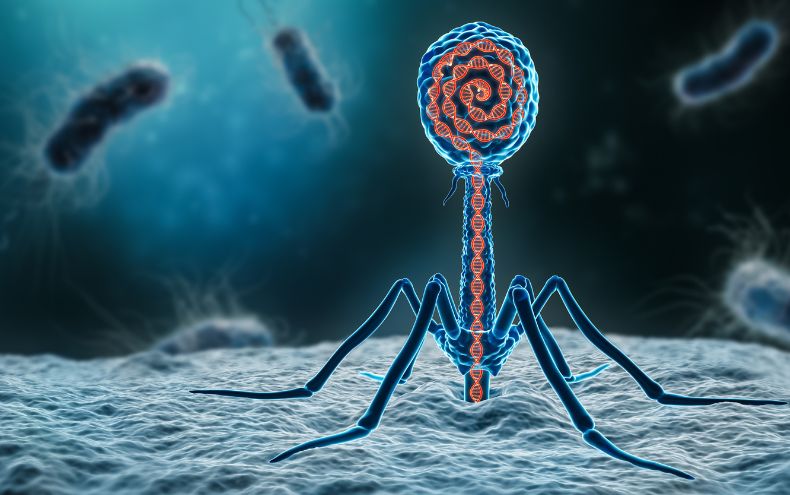
When Antibiotics Aren’t Enough: Pitt Advances the Next Generation of Infection Treatment
A new NIH NIAID P01 grant establishes the Pitt Center for Accelerating Phage Therapy (P-CAPT), positioning Pitt to advance phage therapy as a promising new treatment for antibiotic-resistant infections.
Events
Donate to the
Department of Medicine
The University of Pittsburgh Department of Medicine is one of the leading programs in the United States. With your support, we can drive innovative medical research, improve clinical outcomes, and enrich the education of future physicians.