
K Awardee to R Advancement Training (KARAT)
The K Awardee to R Advancement Training (KARAT) Program is a new Department of Medicine initiative for NIH mentored K-awardees or other equivalent mentored Career Development Awardees (CDA). Under the leadership of Aditi Gurkar, PhD, the Associate Vice Chair for Academic Advancement, the KARAT program provides a broad range of career development activities and academic support including grant writing workshops, grant reviews, academic skills training, networking and peer support for our K/CDA awardees. Only participants in the KARAT program who have completed their first year of mentored training are eligible to apply for this mechanism of Catalytic Grant funding.
We currently have an unprecedented number of talented K/CDA junior faculty in the Department who are transitioning into our next generation of independent PI leaders. The transition from mentored junior faculty to independent researcher, however, is a precarious and difficult period of the academic career pathway. The K/CDA awardee must generate a novel line of research and body of supporting work that is clearly independent of their current mentor.
To assist with the transition to R-level funding, the Department of Medicine has created a new funding opportunity to provide Catalytic Grants to K/CDA awardees to enable and develop innovative and exciting lines of research that will lead to independent funding. The Department plans to support up to $500k per year in total funding for the Catalytic Grants for an initial period of two years—future support is dependent on available funds and success of the first two years of the program. Dr. Gurkar will oversee peer-review of applications and awards will range from $10-50k per year, depending on budget justification of the applicants.
Contact
For more information about KARAT, please email Natalie Schweninger at schweningern@upmc.edu.
Leadership

Aditi Gurkar, PhD
Dr. Aditi Gurkar joined the tenure-stream faculty as an Assistant Professor in the Aging Institute and the Division of Geriatric Medicine in 2017. She received her PhD from Boston University School of Medicine and completed her postdoctoral work at Massachusetts General Hospital/Harvard Medical School and the Broad Institute of MIT and Harvard and then at Scripps Research Institute. Her research program delves into the biology of aging and identifying interventions to delay age-related decline. In particular, her research has highlighted the role of DNA damage induced metabolic shifts in cellular senescence and aging. She joined the Department of Medicine with a K99/R00 Transition to Independence Award through the NIA and is now funded through multiple NIH and Foundation grants. Dr. Gurkar is also committed to education and mentoring at multiple levels at the University of Pittsburgh and through her work with other non-profit organizations. She is the Co-director of the Pittsburgh Pepper Pilot Core (PESC) and has been an active participant in the NIA P30 Pepper Research Education Component that trains the next generations of scholars in aging research. In addition, she is the Program Co-Director of the Geroscience T32 that provides training fellowships for bridging the biology of aging with translational/clinical studies.

Kaleab Abebe, PhD
Dr. Kaleab Abebe, is an Associate Professor of Medicine, Biostatistics, and Clinical & Translational Science at the University of Pittsburgh. He also directs the Center for Research on Health Care Data Center as well as the Center for Clinical Trials & Data Coordination. Dr. Abebe joined the faculty in 2009 after receiving his PhD in Statistics from the University of Pittsburgh. His collaborative research focuses on design, conduct, coordination, and analysis of multicenter randomized controlled trials (RCTs). He is the Co-PI for the CaRISMA study, which is a pragmatic trial examining the effectiveness of computerized cognitive behavioral therapy (vs pain education) on pain intensity in adults with sickle cell disease (SCD). Dr. Abebe leads the data coordinating center (DCC) for the TAME-PKD study, which is a phase II RCT that is assessing safety and tolerability of metformin in PKD as well as for the STERIO-SCD study, a phase II trial evaluating safety and tolerability of riociguat in SCD. Most recently, he led the DCC for the HALT-PKD Network, which comprised two 7-site clinical trials evaluating the impact of hypertensive medications and blood pressure control on the progression of PKD. Additionally, Dr. Abebe collaborates with the Adolescent Medicine Division on the design and analysis of cluster randomized trials in sexual violence prevention. In addition to his research collaborations, Dr. Abebe is the director of the Clinical Trials Track for the MS in Clinical Research at the Institute for Clinical Research Education. He is a standing member of the Kidney, Nutrition, Obesity, and Diabetes (KNOD) Study Section, and he is a member of the Board of Directors for the Society for Clinical Trials.

Manisha Jhamb, MD, MPH
Dr. Manisha Jhamb currently serves as the Director of Population Health Initiatives and Co-Director of Clinical Research in the Renal-Electrolyte Division at the University of Pittsburgh. Her primary research interests are to study interventions that can help improve symptoms (such as pain, fatigue, depression) and quality of life; and improve delivery of evidence-based care for patients with kidney disease. She has led multiple clinical trials in the dialysis setting, including two ongoing ones evaluating telemedicine delivered interventions for symptom improvement in these patients. She is also very interested in evaluating innovative ways to improve health care delivery using electronic-health record based population health management tools. Her work has been funded by the National Institute of Health and American Heart Association.

Adam Straub, PhD
Dr. Adam Straub is an Associate Professor of Pharmacology and Chemical Biology and Director of the Center for Microvascular Research in the Heart, Lung, Blood and Vascular Medicine Institute. Adam earned his bachelor’s degree from Allegheny College, Ph.D. from the University of Pittsburgh Graduate School of Public Health and conducted his post-doctoral training at the University of Virginia Medical School. His research focuses on understanding the basic and translational mechanisms of redox signaling in the cardiovascular system. He has published more than 60 publications and has been supported by extramural research funds including an EPA STAR fellowship, NIH F32 fellowship, NIH K99/R00 Pathway to Independence Award, multiple NIH R01s, AHA Established Investigator Award, and industry funded grants. He has received recognition for my research accomplishments by the AHA by being selected as finalist for the prestigious ATVB Irvine H. Page Young Investigator Research Award, finalist for the BCVS Outstanding Early Career Investigator, recipient of the Harry Goldblatt Award from the Council on Hypertension and recipient of the Mid-Career Research Award from the AHA Council on Hypertension.
Members

Gowtham Kumar Annarapu, PhD
Division/Institute: Classical Hematology
Mentors: Sruti Shiva, PhD / Adam Straub, PhD
Career Development Award: AHA CDA
Dr. Annarapu’s research focuses on understanding how obesity contributes to cardiovascular disease, with a particular emphasis on the role of platelets in vascular dysfunction. While platelets are well known for their involvement in thrombosis, his work demonstrates that obesity induces significant functional alterations in platelets. Specifically, he is investigating how obesity leads to the upregulation of mitofusin-1 (MFN1), a mitochondrial GTPase, in platelets. This increase in MFN1 appears to promote the release of thrombospondin-1 (TSP1), a platelet-derived glycoprotein that has been linked to endothelial dysfunction. Through studies utilizing both mouse models, Dr. Annarapu has observed that platelets from obese individuals, as well as from mice fed a high-fat diet, display elevated levels of platelet MFN1 and TSP1. Notably, mice lacking platelet MFN1 exhibit lower plasma TSP1 and are protected from obesity-related vascular dysfunction. His current research employs advanced proteomic approaches, including the use of ER-BioID mouse models, to systematically define the obesity-induced platelet secretome and its impact on endothelial health. By elucidating these novel platelet-driven mechanisms underlying obesity-associated vasculopathy to identify new therapeutic targets for the prevention and treatment of obesity induced cardiovascular disease.

Martina Anto-Ocrah, PhD, MPH, MT(ASCP)
Division/Institute: General Internal Medicine
Mentors: Jeffrey Bazarian, MD, MPH (external) / Amy Wagner, MD / Doris Rubio, PhD
Career Development Award: NINDS K01
Dr Martina Anto-Ocrah is an Assistant Professor of Medicine & Epidemiology whose research centers on pregnancy, sexual & reproductive health epidemiology in United States (US) and global populations. As a reproductive epidemiologist, Dr Anto-Ocrah’s US-based work explores the impact of traumatic brain injuries on women’s reproductive wellbeing (pregnancy, sexuality, menstruation, socio-cultural norms, etc); while her global health work is focused on obstetric emergencies and The Three Delays.Though a quantitative methodologist, Dr. Anto-Ocrah has a deep appreciation for mixed methods research and often involves qualitative research methodologies and machine learning approaches in her work.
Publications
- Anto-Ocrah M, Affan NJ, Vempalli H, Chen M, Niyomugabo C, Glantz JC, Hollenbach S. Bleeding Through a Pandemic: Women’s Lived Experiences with Heavy Menstrual Bleeding During the COVID-19 Pandemic. Int J Womens Health. 2025 Apr 18;17:1083-1101. doi: 10.2147/IJWH.S476959. PMID: 40264815; PMCID: PMC12013634.
- Vempalli H, Affan N, Snedaker K, Chen YM, Skotzke Fishman E, Hollenbach S, Levine MD, Niyomugabo C, Ruiter-Lopez L, Giordano EG, Anto-Ocrah M. Acceptability of a Brain-Injury-Tailored Yoga and Meditation Program Among Female Patients with Concussion. J Integr Complement Med. 2025 Sep;31(9):814-825. doi: 10.1089/jicm.2024.1038. Epub 2025 Jun 27. PMID: 40576697; PMCID: PMC12419363.
-
Abdul Hamid Alhassan RH, Haggerty CL, Fapohunda A, Affan NJ, Anto-Ocrah M. Exploring the Use of Digital Educational Tools for Sexual and Reproductive Health in Sub-Saharan Africa: Systematic Review. JMIR Public Health Surveill. 2025 Feb 26;11:e63309. doi: 10.2196/63309. PMID: 40009849; PMCID: PMC11904370.
-
Anto-Ocrah M, Valachovic T, Lanning JW, Ghanem A, Couturier C, Hakizimana C, Niyomugabo C, Affan NJ, Vempalli H, Kodam RS. What social media analyses can tell us about Ghanaian women’s concerns during pregnancy. Front Digit Health. 2025 Feb 13;7:1479392. doi: 10.3389/fdgth.2025.1479392. PMID: 40018443; PMCID: PMC11865226.

William Bain, MD
Division/Institute: Pulmonary, Allergy and CCM
Mentors: Janet Lee, MD / Jessica Bon Field, MD, MS
Career Development Award: VA Mentored Research Scientist Development Award
Dr. Bain’s research goal is to improve understanding of how the lung interacts with and employs cellular and humoral elements of innate immunity to combat pathogens and manage injury. He is currently focused upon two research questions. First, how do platelets and platelet factors attenuate lung injury during pathogen-mediated lung injury with particular attention to the role of platelet released factors in providing protection to alveolar epithelium? Second, what are mechanisms by which alternative complement pathway function supports host defense and patient survival during critical illness with acute respiratory failure?

Corry D. Bondi, PhD, MS
Division/Institute: Renal-Electrolyte
Mentors: Roderick Tan, MD, PhD / Neil Hukriede, PhD
Career Development Award: NIDDK K01
Chronic kidney disease (CKD) affects an estimated 700 million people worldwide and can ultimately progress to renal failure and the need for dialysis or transplantation. A hallmark of CKD is proteinuria, and this is associated with an overall worse prognosis and greater likelihood of disease progression. Even though proteinuria has traditionally been viewed as a glomerular injury, the contribution of renal tubules to glomerular dysfunction has largely been neglected. This crosstalk may involve the β-catenin/MCP-1 pathway. My investigation is driven by the hypothesis that the β-catenin-mediated release of MCP-1 from the kidney tubules mediates glomerular injury in proteinuric CKD. I am using conditional cell-specific knockout mice and primary cells to test this hypothesis. The results will identify intercellular signaling pathways in the kidney that may lead to novel treatments for proteinuric CKD.

Aravind Cherukuri, MBBS, PhD
Division/Institute: Renal-Electrolyte
Mentors:David Rothstein, MD and Harinder Singh, PhD
Career Development Award: NIAID K08
My research aims to identify renal transplant patients at risk for premature allograft loss to enable early intervention. We focus on immunological and clinical predictors, discovering that the IL-10/TNFα ratio in immature transitional B cells (T1Bs) is a strong biomarker for rejection and decline—validated in a prospective study and now informing a planned multi-center RCT. We also found that progressive low-grade proteinuria predicts poor outcomes and, together with donor-specific antibodies, TCMR, and non-adherence, can drive premature graft loss.

Jason B Colditz, PhD, MEd
Division/Institute: General Internal Medicine
Mentor:
Career Development Award: NIAAA K01
Dr. Colditz’s research explores how digital environments influence health, recovery, and personal growth. At the intersection of addiction recovery, digital health, and community development, he uses computational social science methods—such as social media surveillance, natural language processing, and machine learning—to study psychosocial predictors of recovery and the role of social support from family, peers, and in-person or online communities. He also designs digital behavioral interventions that foster connection and promote healthy identity development in recovery and related behavioral health contexts.

John Cormack
Division/Institute: Cardiology
Mentors: Kang Kim, PhD (primary) / Marc Simon, MD, MS
Career Development Award: AHA CDA
Chronic pressure overload in the right ventricle (RV), such as that experienced in pulmonary hypertension (PH), leads to structural remodeling of the myocardium as the RV attempts to maintain hemodynamic function. PH has no therapeutic cure, with lung transplantation the only curative treatment. Animal model studies of PH have shown that RV remodeling is characterized by chronic stiffening and rearrangement of the myofiber layers that compose the myocardium, which affects tissue-level mechanical properties, and is closely associated with RV dysfunction in the face of pressure overload. Largely due to the inability of current cardiac imaging modalities such as ultrasound and MRI to probe the myocardium microstructure in vivo, the corresponding presentation of RV tissue-level microstructural remodeling in humans with PH is unknown. This gap in knowledge and lack of structural imaging technology hampers the clinician’s ability to diagnose and treat PH. In this proposal, we will extend the preclinical body of work in RV remodeling biomechanics by our group and others to elucidate the nature of tissue-level and microstructural remodeling in pressure overload in the human RV. Due to the lack of appropriate in vivo imaging technology, this study will use explanted hearts from deceased individuals with and without PH to perform the first measurements of concurrent biaxial mechanical testing and 3D ultrasound strain imaging for high fidelity characterization of mechanical changes to the human RV myocardium associated with pressure overload (Specific Aim 1). Using novel nondestructive ultrasound myofiber imaging technology along with ground-truth destructive histological sectioning, we will further elucidate for the first time the microstructural changes to the RV myocardium that accompany pressure overload in the human RV (Specific Aim 2). Finally, we will address the technological unmet need for RV structural imaging by systematically studying our novel ultrasound myofiber imaging technology regarding effects of imaging frequency, imaging depth, and transthoracic imaging that are necessary considerations for translation of the new imaging technology to the clinic (Specific Aim 3). Results from this study will 1) fill a critical gap in knowledge regarding how the human RV remodels during chronic pressure overload in PH, and 2) address a critical technological need for an imaging technology that can noninvasively probe for RV remodeling in the clinic.
Publications
- Venegas GR, McCue J, Chao YH, Kim K, Cormack JM. Characterization of surficial mudflat sediments using shear wave elastography, core-logging, and microscopy techniquesa). J Acoust Soc Am. 2025 Sep 1;158(3):1751-1766. doi: 10.1121/10.0039046. PMID: 40900137.
- Navy X, Sheng Z, Kim K, Cormack JM. Three-Dimensional Tissue Strain Measurement Using a Row-Column Array During Biaxial Testing of Excised Ventricular Porcine Myocardium. Ultrasound Med Biol. 2025 Sep;51(9):1622-1626. doi: 10.1016/j.ultrasmedbio.2025.05.007. Epub 2025 Jun 13. PMID: 40514266.
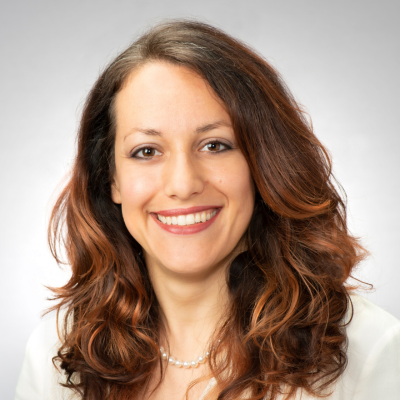
Malamo Countouris, MD, MS
Division/Institute: Cardiology
Mentors: Flordeliza Villanueva, MD (primary); Janet Catov, PhD; Adam Straub, PhD
Career Development Award: AHA CDA
Women with preeclampsia, a hypertensive disorder of pregnancy, suffer a higher risk of cardiovascular disease than their non-preeclamptic counterparts in the decades after pregnancy, yet the mechanisms of heightened risk are poorly understood, and hence approaches for prevention are unknown. Preliminary data from this candidate’s T-32 postdoctoral fellowship showed that women with prior preeclampsia, in combination with current hypertension, have the highest likelihood of echocardiographically-defined left ventricular remodeling in the decade after delivery. These data drive a novel “two-hit” hypothesis, whereby both preeclampsia and hypertension confer higher risk for adverse left ventricular remodeling than either attribute alone. Further, given that left ventricular remodeling portends a worse cardiovascular prognosis, understanding its features and mediators in women with preeclampsia and hypertension is critical to developing prevention therapies. Thus, the overarching goal of this research program is to phenotype and define mechanisms of left ventricular remodeling among women with prior preeclampsia. Specifically, this proposal will investigate underlying mechanisms leading to left ventricular remodeling through interrogating the myocardial composition of the remodeled left ventricle (fibrosis and cardiomyocyte hypertrophy), as measured via cardiac MRI (AIM 1). Detailed biomarker measurements will be used test hypotheses implicating inflammation pathways and the renin-angiotensin-aldosterone system, and then correlated with specific myocardial changes on cardiac MRI (AIM 2). Demonstrating causal pathways in the development of cardiac remodeling will provide essential preliminary data for a targeted, R01-funded, clinical trial and be a major step in prevention of cardiovascular disease in high-risk women with prior preeclampsia.

Karlyn Edwards, PhD
Division/Institute: General Internal Medicine
Mentors: Jessica Merlin, MD, PhD, MBA / Jane Liebschutz, MD, MPH
Career Development Award: NIDA K12, NIDA K23
Dr. Edwards is an Assistant Professor in the Division of Internal Medicine, a CHAMPP Core Investigator, and a NIDA K12 junior faculty scholar. Her research work spans three lines of inquiry: 1) effective delivery and mechanisms of behavioral interventions for chronic pain, 2) characterizing psychosocial processes that contribute to substance misuse and pain, and 3) developing and testing integrated behavioral treatments for chronic pain and opioid use disorder. She is a licensed clinical psychologist and has expertise in tailoring and delivering acceptance-based behavioral interventions, such as Acceptance and Commitment Therapy and Mindfulness-based Relapse Prevention.
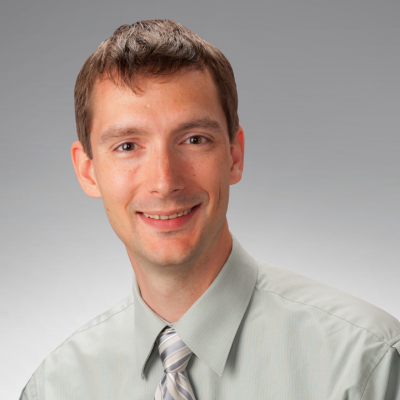
Marc Gauthier, MD
Division/Institute: Pulmonary, Allergy and CCM
Mentors: Anuradha Ray, PhD / Sally Wenzel, MD
Career Development Award: Parker B. Francis Foundation
My research focuses on identifying steroid resistant pathways of inflammation in severe asthma. We have previously identified Type 1 inflammation, manifested by Interferon-gamma elevation in the lung, as a phenotype of severe asthma. My current work seeks to better understand the immune mechanisms leading to persistence of Type 1 inflammation in severe asthma and how this impacts disease severity and response to currently available asthma therapies.
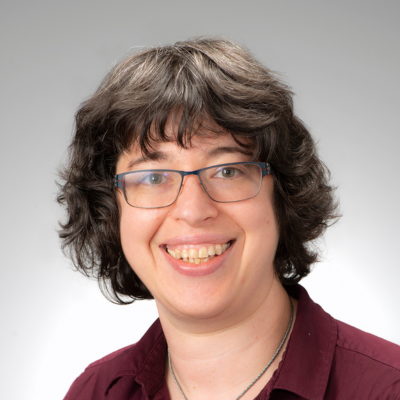
Rachael Gordon, MD, PhD
Division/Institute: Rheumatology
Mentors: Mark Shlomchik MD, PhD / Robyn Domsic MD, MPH
Career Development Award: BIRCWH K12
Dr. Rachael Gordon is an Assistant Professor at the University of Pittsburgh School of Medicine. She has a longstanding interest in the clinical and basic immunology underlying systemic autoimmune diseases. After completing her BA at the University of Pennsylvania, she pursued an MD-PhD at the University of Pittsburgh School of Medicine under the mentorship of Dr. Mark Shlomchik. Over the past decade and a half, Dr. Gordon has spearheaded both human and murine studies aimed at understanding how dysregulation of the immune system contributes to the pathogenesis of rheumatoid arthritis, systemic lupus erythematosus, and most recently, Sjogren’s Disease (SjD).
Early in her rheumatology training, it became evident that the immunology of SjD is both captivating and understudied. There are no FDA-approved disease-modifying treatments for SjD, a female-predominant disease. To address this critical need, Dr. Gordon is building a Sjogren’s Center and a translational research program at the University of Pittsburgh, including a SjD longitudinal registry and biospecimen repository.
SjD is a common systemic autoimmune disorder characterized by progressive inflammation and destruction of the exocrine glands. The immunological drivers contributing to the pathogenesis of SjD remain poorly understood. Genetic risk loci associated with SjD highlight immunologic pathways that are likely central to SjDpathogenesis. GWAS studies reveal that polymorphisms in IL12A, TYK2, and STAT4 are associated with SjD, suggesting a fundamental role for the IL-12A-STAT4-Interferon (IFN) γ axis in SjD. Supporting this, SjD patients with the IL12A rs485497*A risk allele have increased serum levels of IL-12p70. IL-12 and IFNγ are linked in positive feedforward loops critical to the development and function of T helper 1 (Th1) cells, which are found in the glands of SjD patients and murine models of the disease. More recently, our group has discovered a novel role for this axis in inflammatory B cells. Yet, the contribution of B cell intrinsic IL-12 in the onset and progression of autoimmunity remains a significant unanswered question. The goal of the first arm of my research program is to generate preclinical data to test whether IL-12 drives SjD and explore how it promotes systemic autoimmunity. Identifying a pathogenic role for IL-12 in SjD will serve as the rationale for further mechanistic studies and the development of IL-12 targeted therapeutics for the treatment of SjD and other IL-12 mediated diseases.
Publications

Ghady Haidar, MD
Division/Institute: Infectious Diseases
Mentors: Neil Clancy, MD / Alison Morris, MD, MS
Career Development Award: NIAID K23
My research interest lies in infectious complications among immunocompromised hosts, primarily organ transplant recipients and patients with hematological malignancies. My K23 award focuses on the changes in the gut microbiome among lung or liver transplant recipients as they develop colonization or infection with multidrug-resistant organisms. My hope is to use this knowledge to conduct clinical trials of novel therapies such as fecal microbiota transplant or bacteriophages to treat drug-resistant organisms in these patients. I also have an interest in COVID-19 in this patient population, particularly oncology patients who are at risk for protracted SARS-CoV-2 replication and intra-host viral evolution.
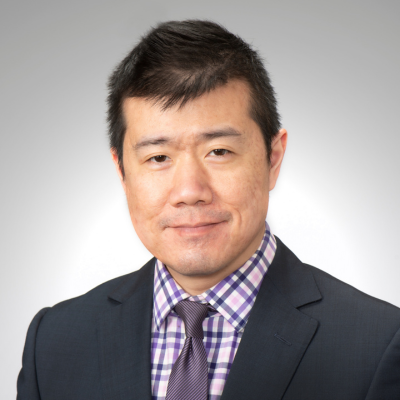
Dennis Hsu, MD
Division/Institute: Hematology/Oncology
Mentors:
Career Development Award: Physician-Scientist Training Award (Damon Runyon Cancer Research Foundation)
The genetic information in our DNA encodes for proteins using the genetic code which consists of 61 codons (nucleotide triplets) encoding 20 amino acids. Codons are recognized by transfer RNA (tRNA) molecules which specifically recognize codons and help deliver the correct amino acid needed for making a protein. My research focuses on how tRNA levels are modulated during cancer starvation and how this may adaptively facilitate the expression of certain proteins and allow for survival. The major focus of my work is to understand how these changes allow cancer cells to survive in nutrient-poor environments which may potentially lead to new therapeutic strategies to treat cancers that are under metabolic stress.
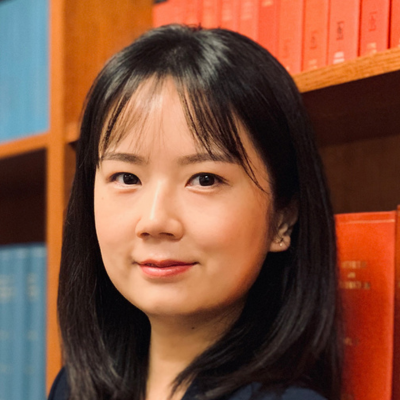
Mengqi Huang, PhD
Division/Institute: Rheumatology
Mentor: Robert Lafyatis, MD
Career Development Award: NIAMS K01
Dr. Huang’s research focuses on systemic sclerosis, a devastating autoimmune disease with limited treatment options. Her current work leverages advanced machine learning models to uncover genetic and epigenetic drivers of disease-associated cell populations in patient samples. By integrating computational insights with in vitro and in vivo validation using animal models, her research aims to identify novel therapeutic targets to alleviate key pathological features of systemic sclerosis, particularly vasculopathy and fibrosis.

Raagini Jawa, MD, MPH
Division/Institute: General Internal Medicine
Mentors: Jane Liebschutz, MD, MPH / Jessica Merlin, MD, PhD, MBA / Cristina Murray-Krezan, PhD
Career Development Award: NIDA K12, NIDA K23
Dr. Jawa is an Assistant Professor and Clinician Investigator in the Department of General Internal Medicine at University of Pittsburgh Medical Center and a clinician investigator in the Center for Research on Health Care. She is board certified in Internal Medicine and Infectious Disease and Addiction Medicine. Dr. Jawa’s research interests focus on the intersection of Infectious Disease and Addiction, including studying how to optimize integration of harm reduction services for individuals with substance use disorders within traditional health settings, developing multidisciplinary provider facing interventions to prevent infectious and non-infections complications of drug use. Clinically, she provides office-based addiction treatment in IM Recovery Engagement Program and attends on the Endovascular Infection Service at UPMC.
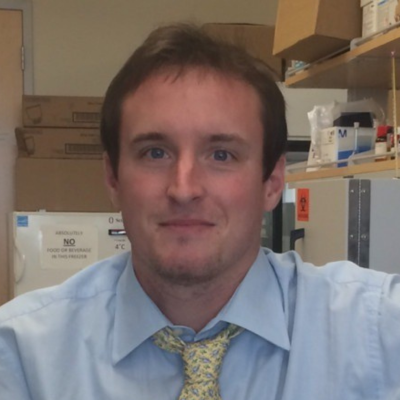
Neil Kelly, MD, PhD
Division/Institute: Cardiology/Vascular Medicine Institute
Mentor: Stephen Chan, MD, PhD
Career Development Award: NIEHS K08
Pulmonary hypertension (PH) is a deadly disease affecting millions of individuals with heart and lung disease, autoimmune conditions, and other common as well as rare disorders. However, the reasons why only some patients develop this deadly disease are incompletely understood; toxins found in air pollution have the potential to explain this gap owing to their ability to enter the bloodstream and cause damage to the lung blood vessels. The aim of this research is to determine the molecular mechanisms by which these substances can lead to PH with the ultimate goals of preventing dangerous respiratory exposures and identifying novel means by which to treat patients with PH.
Publications
Chan IN, Nouraie SM, Chan SY, Kelly NJ. Associations of sleep-associated variants with wearable-derived sleep stages in the all of us research program. Sleep. 2025 Jul 26:zsaf209. doi: 10.1093/sleep/zsaf209. Epub ahead of print. PMID: 40720732.

Agnes Koczo, MD
Division/Institute: Cardiology
Mentors: Dennis McNamara, MD, MS / Timothy Wong, MD, MS / Janet Catov, PhD / Kaleab Abebe, PhD / Tianxiu Wang, PhD
Career Development Award: AHA CDA
Peripartum cardiomyopathy (PPCM) is a major cause of maternal morbidity and hypertensive disorders of pregnancy (HDP) precede more than 40% of PPCM. Subgroup dedicated analysis of HDP-PPCM is lacking due to small numbers. In prior analysis compiling our registry data, we found significantly lower rates of cardiac systolic function recovery and greater adverse events in non-HDP PPCM vs HDP PPCM. We also analyzed cardiac magnetic resonance images (CMR) comparing groups which found cardiac phenotypic differences including higher diffuse myocardial fibrosis in non-HDP PPCM. In serum analysis, we identify a novel placental biomarker, activin A, elevated in HDP and with postpartum cardiac remodeling and blood pressure correlations in HDP and HDP-PPCM.
To further validate our CMR and serum findings in a prospective, larger PPCM study, we will recruit 60 PPCM participants with and without HDP from 15 CMR capable national sites with PPCM to examine both phenotypic characteristics and biomarkers comparing HDP and non-HDP PPCM to better understand clinical differences in cardiac recovery.
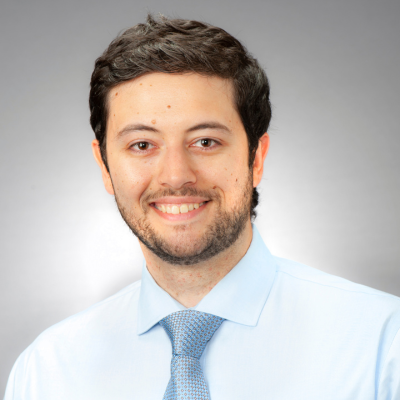
Ioannis Konstantinidis, MD
Division/Institute: Pulmonary, Allergy and CCM
Mentors: Alison Morris, MD, MS / Katie Suda, PharmD, MS / Scott Rothenberger, PhD
Career Development Award: NHLBI K08
Dr. Konstantinidis is a physician investigator focused on HIV-associated lung disease using cohort study data as well as large datasets from administrative claims and electronic health records. His K08, funded by the National Heart, Lung, and Blood Institute, aims to perform a cohort study of HIV-infected and uninfected comparators with COPD using administrative and electronic health record data from multiple health systems across the US and a causal inference framework to identify modifiable risk factors for COPD exacerbations and poor outcomes and to investigate the links between processes of care and outcomes in people with HIV. Ultimately, this research will inform efforts to develop effective management strategies for high-quality COPD care in people with HIV.
Publications
- Konstantinidis I, Papageorgiou SN, Zou RH, Ronit A, Drummond MB, Kunisaki KM, Crothers K, Nouraie SM, Morris A. Effect of HIV on respiratory symptoms, health status, and exertional capacity. AIDS. 2025 Jul 15;39(9):1235-1245. doi: 10.1097/QAD.0000000000004179. Epub 2025 Mar 12. PMID: 40080108; PMCID: PMC12202180.
- Iversen KK, Roldgaard MS, Konstantinidis I, Lindhardt MS, Ahlström MG, Morris A, Ronit A, Benfield T. Recovery of lung function during the first year after COVID-19: a systematic review and meta-analysis. Eur Respir Rev. 2025 Aug 20;34(177):250029. doi: 10.1183/16000617.0029-2025. PMID: 40835394; PMCID: PMC12365666.

LindaMarie Ustaris Lavenburg, DO
Division/Institute: Renal-Electrolyte
Mentor: Manisha Jhamb, MD, MPH
Career Development Award: The Health Integrated Nutrition and Kidney Wellness (THINK-Well) Program
Dr. Lavenburg is a board-certified nephrologist and obesity medicine specialist with combined internal medicine and pediatric residency. Her research focuses on the intersect of obesity and kidney disease prevention and treatment. Due to the paucity of data specific to patients with kidney disease, her prior research evaluated the longitudinal effects of lifestyle interventions on kidney function decline using the Action for Health in Diabetes trial data. Her ongoing research uses human-centered design, behavioral interventions, and mixed (Qual-Quant) methods to develop an equity-focused lifestyle intervention program for patients with kidney disease called “The Health Integrated Nutrition and Kidney Wellness (THINK-Well) Program”. Her future work will use a hybrid trial design to test the effectiveness and implementation of THINK-Well Program to slow the progression of kidney disease and improve access to kidney transplantation for patients with obesity.
Publications and Awards
- Lavenburg LU, Devaraj SM, Gul A, Weltman MR, Kenkre BN, de Abril Cameron F, Schell JO, Hamm ME, Jhamb M. Patient Perceptions of a Population Health Management Program to Improve Kidney Care: Optimizing care in CKD. Kidney Med. 2025 May 15;7(7):101025. doi: 10.1016/j.xkme.2025.101025. PMID: 40607206; PMCID: PMC12213284.
- Awarded the Robert A. Winn Career Development Award.
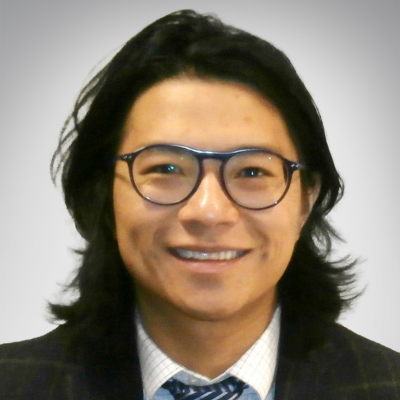
Jing Luo, MD, MPH
Division/Institute: General Internal Medicine
Mentor: Walid Gellad, MD, MPH
Career Development Award: Pitt KL2 / NIDDK K23
Dr. Luo’s research focuses on increasing patient access to affordable prescription drugs for patients with chronic diseases, such as diabetes mellitus. His NIDDK K23 Award seeks to determine the effect of cost-related medication restrictions on medication selection and adherence for patients with type 2 diabetes, using both qualitative and quantitative research methods (e.g. Optum). It will also develop a provider-facing educational outreach intervention to help improve evidence-based use of newer glucose lowering medications. Prior to starting his K23, he was supported by Pitt’s Clinical and Translational Science Scholar (KL2) program.

Lakeya McGill, PhD
Division/Institute: General Internal Medicine
Mentors: Jessica Merlin, MD, PhD, MBA / Charles Jonassaint, PhD, MHS
Career Development Award: NINDS K12
Dr. Lakeya McGill is an assistant professor and a licensed clinical psychologist. Broadly, Dr. McGill’s research focuses on discovering knowledge that promotes equitable pain care for all patients, including adults with sickle cell disease (SCD). Her research program aims to (1) examine the impact of sociocultural, environmental, and psychological factors on chronic pain-related outcomes and disparities, (2) identify protective and risk factors for chronic pain-related outcomes, and (3) develop and implement personalized, culturally appropriate psychosocial and multi-level chronic pain interventions. Dr. McGill is a scholar of the NIH/HEAL National K12 Clinical Pain Career Development Program through the University of Michigan. Her K12 project aims to elucidate the impact of intersecting experiences of discrimination on psychosocial, pain, and treatment outcomes in adults with SCD.

Benjamin Nacev, MD, PhD
Division/Institute: Hematology/Oncology
Mentor: Jeremy Rich, MD (previously C. David Allis)
Career Development Award: NCI K08
The K08-supported research program will determine how a novel class of mutations in histones, the fundamental subunits of chromatin, promote cancer development. Histones control gene expression and differentiation, the process by which cells develop into mature, functional tissue-specific cells and which is disrupted by histone mutations. This research will lead to the development of novel cancer treatments that reverse cancer promotion by mutant histones.
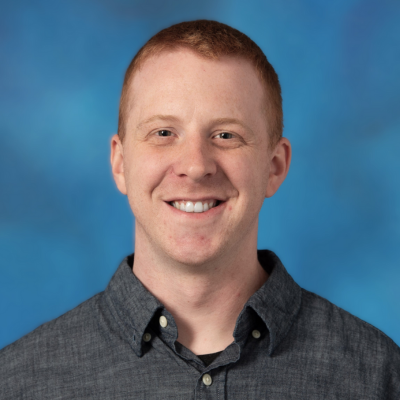
Andrew Nickerson, PhD
Division/Institute: Renal-Electrolyte
Mentor: Thomas Kleyman, MD
Career Development Award: NIDDK K01
Dr. Nickerson’s K01 proposal is focused on investigating a novel component of potassiumhandling by the kidney, which has important implications for maintaining appropriate electrolyte balance in healthy and diseased states. The mechanisms to be studied in this project, which involve the regulation of specific potassiumchannels and their associated subunits, have not yet been explored in the context of renal potassium transport. Over the course of these studies, we willuse in vitro and in vivo approaches to generate new clinically relevant insights into kidney physiology.

Chethan Puttarajappa, MD
Division/Institute: Renal-Electrolyte
Mentors: Kenneth Smith, MD, MS / Sundaram Hariharan, MD
Career Development Award: NIDDK K08
Dr. Puttarajappa’s research is focused on evaluating the role of virtual HLA crossmatch for deceased donor kidney transplantation(DDKT). Several logistical issues complicate kidney allocation and organ placement, thereby increasing ischemia times and risk of organ discards. Dr. Puttarajappa is investigating the potential benefits of omitting a cell-based (physical) HLA crossmatch and proceeding to transplant surgery with just the result of a virtual HLA crossmatch. He is using a combination of transplant registry analysis, survey methodology and decision analysis to evaluate the impact of virtual HLA crossmatch on cold ischemia time and transplant outcomes, variation in practice across US transplant centers and the risks and benefits of using a virtual crossmatch strategy over a cell-based HLA crossmatch strategy. His other research interests include application of decision and cost-effectiveness analyses to transplantation and evaluating methods to reduce detrimental impact of modifiable post-transplant events such as late-onset CMV infection and immunosuppression non-adherence.

Deirdre Quinn, PhD
Division/Institute: General Internal Medicine
Mentors: Sonya Borrero, MD, MS / Ann-Marie Rosland, MD, MS
Career Development Award: VA Mentored Research Scientist Development Award
Dr. Quinn is a Core Investigator at the Center for Health Evaluation Research and Promotion at VA Pittsburgh and an Assistant Professor of Medicine at the University of Pittsburgh. Broadly, Dr. Quinn’s research explores individual-, community-, and system-level influences on sexual and reproductive health. Since joining VA, her work has focused on advancing the quality and equity of reproductive health and healthcare for women Veterans, with the goals of (1) identifying modifiable factors that contribute to disparities in care and outcomes and (2) designing policies, programs, and prevention strategies that promote quality and equity in sexual and reproductive health and healthcare and support reproductive autonomy across the life course.
Her VA HSR&D-funded Career Development Award will use quantitative and qualitative research methods to examine how links between women Veterans’ prepregnancy health risks (e.g., chronic conditions) and healthcare experiences, social characteristics (e.g., race/ethnicity, rurality), and maternal outcomes can inform interventions to improve women Veterans’ healthcare. She is also interested in leveraging system-level strategies, including pharmacist provision of hormonal contraception and 12-month contraceptive dispensing, to improve contraceptive access for Veterans. Outside of work, she enjoys travelling, reading, and cheering for all her hometown DC sports teams! Follow her on Twitter @MsContraception.
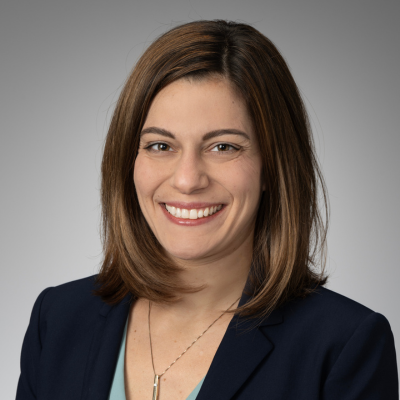
Alicia Rizzo, MD, PhD
Division/Institute: Pulmonary, Allergy, Crtical Care, and Sleep Medicine
Mentor: Charles Dela Cruz, MD, PhD
Career Development Award: NHLBI K23
Dr. Rizzo is an Assistant Professor in the Division of Pulmonary, Allergy, Critical Care, and Sleep Medicine at the University of Pittsburgh and an attending physician in the medical ICU at University of Pittsburgh Medical Center Presbyterian. Her research laboratory is focused on developing glycan-targeted precision medicine strategies for critical illness. Her current projects aim to 1) elucidate the mechanisms by which glycocalyx degradation impairs surfactant function, 2) determine the impact of glycocalyx degradation on physiology and outcomes in ARDS, and 3) develop rapid diagnostics to identify the subgroup of patients most likely to benefit from glycan-targeted therapies.
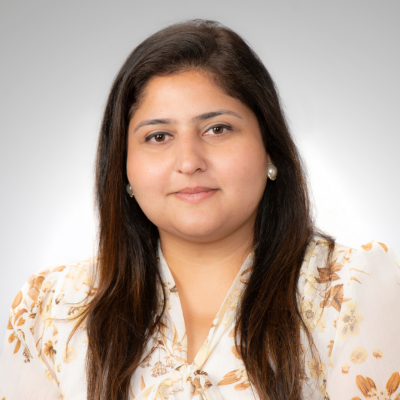
Anum Saeed, MD
Division/Institute: Cardiology
Mentors: Steven Reis, MD; Oscar Lopez, MD
Career Development Award: AHA CDA
Dr. Saeed’s work is focused on describing alterations in the Heart-Brain axis that increase the risk of neurocognitive decline such as alzheimer’s disease (AD) in adults with atherosclerotic cardiovascular disease (ASCVD) risk factors. With her AHA CDA – she is working to expand the metabolic signatures linking AD and ASCVD, and will identify novel modifiable targets to delay and/or prevent these diseased states. As a cardiologist and board-certified lipidologist, this work is building on my her prior training in large population cohorts such as the NIH-funded Heart SCORE and ARIC Study. Completion of these studies and acquisition of required training, to better understand AD biology and conduct metabolomics analysis, will provide a robust foundation for her transition into an independent clinical and translational scientist studying the “Heart-Brain axis”.
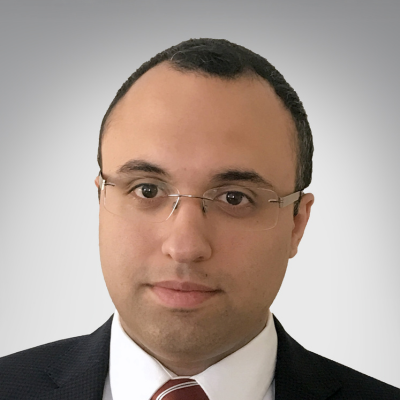
Nami Safai Haeri, MD
Division/Institute: Geriatric Medicine
Mentors: Susan Greenspan, MD
Career Development Award: NIA K23
Dr. Safai Haeri is an endocrinologist and geriatrician with a clinical and research focus on metabolic bone disorders. His research explores the complex crosstalk between bone and muscle in older adults with osteosarcopenia—a condition characterized by the coexistence of osteoporosis and sarcopenia, leading to increased risk of fractures and falls. Through this NIH/NIA-funded K23 award, he examines the impact of osteoporosis medications on muscle health using clinical trial cohorts. Dr. Safai Haeri aims to improve outcomes for older adults with osteosarcopenia by advancing diagnostic and management strategies, ultimately enhancing quality of life and reducing complications in this high-risk population.
Publications
- Haeri NS, Perera S, Greenspan SL. Impact of denosumab on muscle health in older adults in long-term care. Bone. 2025 Sep;198:117552. doi: 10.1016/j.bone.2025.117552. Epub 2025 Jun 1. PMID: 40460961.
- Haeri NS, Perera S, Greenspan SL. Impact of Zoledronic Acid on Bone Mineral Density and Trabecular Score Following Denosumab Discontinuation in Older Adults in Long-Term Care. Calcif Tissue Int. 2025 Mar 27;116(1):55. doi: 10.1007/s00223-025-01364-y. PMID: 40146262; PMCID: PMC12280700.

Anita Saraf, MD, PhD
Division/Institute: Cardiology
Mentors: Toren Finkel MD, PhD and Bernhard Kuhn, MD
Career Development Award: AHA / NHLBI K08
My clinical and research interests are in congenital heart disease (CHD). While new surgical interventions have dramatically extended the lives of children with congenital heart disease, adults with CHD can have a higher burden of arrhythmia and heart failure, causing morbidity and mortality. These long-term consequences are even more evident in patients with complex congenital heart disease such as patients with univentricular physiology or Fontan circulation. My previous studies have shown that patients with Fontan circulation have a chronic proinflammatory profile that may be increasing the burden of arrhythmia and heart failure. While it is well accepted that genetic mutations drive CHD pathology, it is becoming more evident that these mutations are complex and involve multiple environmental factors. The impact of these mutations in a post-developmental heart is unknown. My research investigates the interaction between inflammation and genetic mutations associated with CHD in causing arrhythmias and heart failure. My laboratory uses induced pluripotent stem cells (iPSCs) in combination with CRISPR/Cas9 to generate cell lines with unique complex mutations in NOTCH1, a transmembrane receptor implicated in numerous types of CHD. Using patient derived iPSCs with NOTCH1 mutations in combination with genetically engineered iPSCs, I am interested in identifying external factors such as inflammation, that can increase the propensity of arrhythmogenic calcium transients and decreased contractility. My long term goal is to identify novel drugs and therapies that can mitigate such detrimental physiologic sequalae.
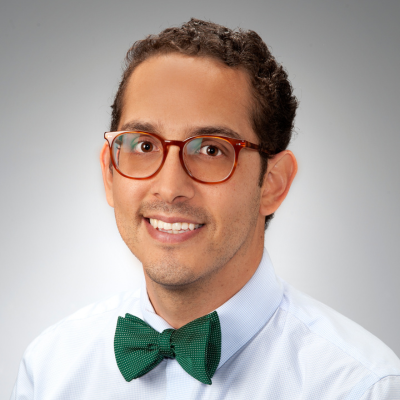
Sebastian Sattui, MD, MS
Division/Institute: Rheumatology and Clinical Immunology
Mentors: Anne Newman, MD, MPH / Robyn Domsic, MD, MPH
Career Development Award: NIA R03 / Rheumatology Research Foundation Investigator Award
Polymyalgia rheumatica (PMR), the most common systemic rheumatic disease in older adults, is understudied, with current care limited by a lack of evidence guiding glucocorticoid use and sparse knowledge of glucocorticoid-sparing treatments, despite the risks of long-term steroid exposure. This proposal aims to fill these gaps by generating robust data on PMR care through two complementary approaches: creating a national Medicare inception cohort to identify factors associated with rheumatology access, and building a prospective cohort within a large community rheumatology network to track treatment practices, outcomes, and patient-reported measures. The findings will help shape future PMR treatment guidelines, while the project supports the investigator’s development in real-world data analysis, pharmacoepidemiology, and patient-centered research.
Polymyalgia rheumatica (PMR), the most common systemic rheumatic disease in older adults, is understudied, with many patients experiencing prolonged symptoms and glucocorticoid use. Frailty, common in PMR and linked to worse symptoms, may help identify those at risk for prolonged treatment and poor outcomes. This proposal aims to use Medicare data to study the impact of frailty and physical/occupational therapy (PT/OT) on treatment duration and medication use in older adults with PMR. The findings could shift PMR care toward integrating function-focused interventions alongside disease management, improving outcomes for this vulnerable population.
Publications
- Sattui SE, Corral M, O’Donnell DC. Illness Burden and Unmet Patient Needs in Giant Cell Arteritis: Current State and Future Prospects. Open Access Rheumatol. 2025 Jul 1;17:117-134. doi: 10.2147/OARRR.S517664. PMID: 40620720; PMCID: PMC12228523.
-
Wysham KD, Chang CLA, Singh N, Andrews JS, Wipfler K, Lieber SB, Sattui SE, Stovall R, Baker JF, Katz PP, Michaud K. Prevalence of Frailty and Associated Factors in a US-Wide Cohort of Rheumatic Diseases. ACR Open Rheumatol. 2025 Jun;7(6):e70046. doi: 10.1002/acr2.70046. PMID: 40461432; PMCID: PMC12133383.
-
Harkins P, Sattui SE. Understanding Fatigue and Sleep Disturbance in Polymyalgia Rheumatica: Redefining the Patient Experience and Opportunities for Intervention. J Rheumatol. 2025 Jul 1;52(7):633-635. doi: 10.3899/jrheum.2025-0524. PMID: 40451275.
-
Sattui SE, Stadler J, Borchin RL, Burroughs C, Gandolfo L, Cuthbertson D, Yeung C, Larson K, Merkel PA; Robert Spiera for the Vasculitis Patient-Powered Research Network. Frailty and Associated Outcomes in Patients With Vasculitis. J Rheumatol. 2025 Aug 1;52(8):792-800. doi: 10.3899/jrheum.2024-1079. PMID: 40233991.
-
Carlson K, Kaymakci M, Sattui SE, Putman M. Incidence of aortic aneurysm, dissection, or rupture among patients with polymyalgia rheumatica and giant cell arteritis. Semin Arthritis Rheum. 2025 Jun;72:152714. doi: 10.1016/j.semarthrit.2025.152714. Epub 2025 Mar 15. PMID: 40127549.
-
Lomanto Silva R, Tumba MC, Gupta S, Louden D, Gupta L, Machado PM, Paik JJ, Saketkoo LA, Sattui SE, Saygin D. Racial, Ethnic, Sex, and Geographical Diversity in Myositis Clinical Trials. Arthritis Care Res (Hoboken). 2025 Aug;77(8):1032-1041. doi: 10.1002/acr.25525. Epub 2025 May 3. PMID: 40099495.
-
Geetha D, Pagnoux C, Sattui SE, Merkel PA, Weiner M, Draibe J, Faguer S, Bray S, Gurlin RE, Balcells-Oliver M, Bruchfeld A, Jayne DR; ADVOCATE Study Group. Efficacy and safety of avacopan in patients aged 65 years and older with ANCA-associated vasculitis: a post hoc analysis of data from the ADVOCATE trial. Rheumatology (Oxford). 2025 Jun 1;64(6):3863-3871. doi: 10.1093/rheumatology/keaf122. PMID: 40037556; PMCID: PMC12107037.

Craig Seaman, MD, MS
Division/Institute: Hematology/Oncology
Mentor: Margaret Ragni, MD, MPH
Career Development Award: NHLBI K23
My research focuses on the role of aging and aging-related conditions in hereditary bleeding disorders, specifically von Willebrand disease and hemophilia. My K23 award explores the effect of aging on von Willebrand factor levels and bleeding phenotype in von Willebrand disease.

Katherine (Kate) Shipman, PhD
Division/Institute: Renal-Electrolyte
Mentors: Ora Weisz, PhD
Career Development Award: NIDDK K01
Dr. Shipman’s research interests focus on understanding how the urinary excretion of albumin and other proteins reflects kidney proximal tubule (PT) and glomerular function. Proteinuria occurs when the PT is unable to fully reclaim albumin and other proteins that escape the glomerular filtration barrier. It is linked to increased risk and progression of chronic kidney disease (CKD). PT health is impacted by the uptake of excessive albumin that occurs when glomerular function is compromised, and that can contribute to the progression of CKD. Her research aims to use a variety of quantitative imaging techniques in normal and proteinuric mouse models to create multiscale mathematical models that incorporate the impact of baseline sex differences, luminal fluid flow, and protein filtration on PT endocytic capacity in individual cells and along the tubule axis. Dr. Shipman’s long-term goal is to be able to predict the degree of glomerular or PT dysfunction based on the urinary excretion of a subset of proteins, including albumin and low molecular weight proteins.
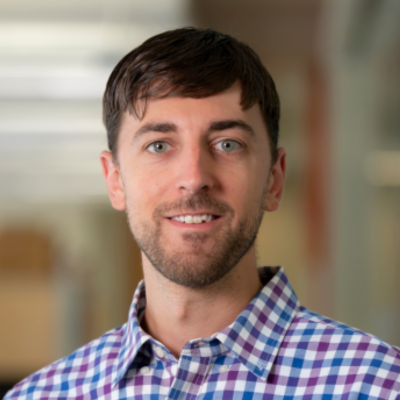
Dan Shiwarski, PhD
Division/Institute: Vascular Medicine Institute
Mentors: Adam Feinberg, PhD (CMU) (K99)
Career Development Award: NHLBI K99/R00
The Shiwarski Tissue Engineering Laboratory is interested in how high blood pressure alters the structure and function of small diameter blood vessels. By integrating advanced 3D bioprinting, regenerative medicine, and microfluidics we develop novel experimental platforms to investigate relationships between engineered 3D tissue structure, extracellular matrix composition, biomechanical forces, and altered receptor signaling that drives vascular tissue maturation and hypertensive disease pathology.

Bryant Shuey, MD, MPH
Division/Institute: General Internal Medicine
Mentors: Jane Liebschutz, MD, MPH / Katie Suda, PharmD, MS
Career Development Award: NIDA K12
Bryant Shuey’s research focuses on access to care for people with substance use disorders. His work analyzes large datasets, including nationally representative survey data and health insurance claims data.
Publications
- Shuey B, Wen H, Suda KJ, Burnett A, Wharam JF, Anderson TS, Liebschutz JM. Sex-Based Differences in Binge and Heavy Drinking Among US Adults. JAMA. 2025 May 27;333(20):1831-1833. doi: 10.1001/jama.2025.2726. PMID: 40238125; PMCID: PMC12004242.
- Liu Y, Rothenberger SD, Tadrous M, Shuey B, Chaudhry S, Suda KJ. Trends in Opioid and Gabapentinoid Utilization: A Time-Series Analysis Across 72 Countries From 2012 to 2023. Pharmacoepidemiol Drug Saf. 2025 May;34(5):e70149. doi: 10.1002/pds.70149. PMID: 40295174.
- Shuey B, Liebschutz JM. Heavy Drinking Data on US Gender-Diverse Individuals Not Available-Reply. JAMA. 2025 Sep 9;334(10):921. doi: 10.1001/jama.2025.9778. PMID: 40758376.
- Shuey B, Wharam JF, Burnett A, Thomas AM, Argetsinger S, Zhang F, Johnston KJ, Suda KJ, Liebschutz JM, Wen H. Postoperative Opioid Prescribing Among Adults with Disabilities After a Medicare Opioid Limit Policy. Ann Surg. 2025 Aug 8:10.1097/SLA.0000000000006901. doi: 10.1097/SLA.0000000000006901. Epub ahead of print. PMID: 40789148; PMCID: PMC12395116.
- Singh Y, Cantor J, Whaley CM, Shuey B, Bilden R, Donahoe JT. Private Equity Acquiring Large Shares Of The Opioid Treatment Market Without Changing Market-Level Methadone Supply. Health Aff (Millwood). 2025 Sep;44(9):1181-1189. doi: 10.1377/hlthaff.2025.00326. PMID: 40893070.
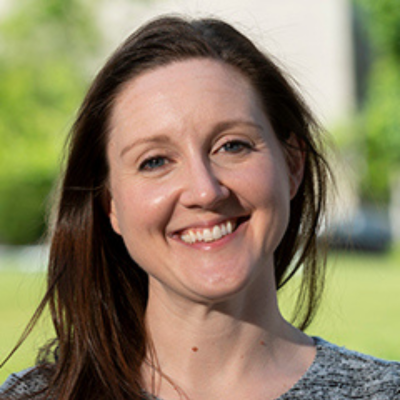
Madison Stellfox, MD, PhD
Division/Institute: Division of Infectious Diseases
Mentor: Daria Van Tyne, PhD
Career Development Award: NIAID K08
Enterococcus faecium is a normal member of healthy human gastrointestinal flora; however, it has become a concerning opportunistic pathogen. E. faecium is resistant to many first-line antibiotics and most clinical isolates are also vancomycin-resistant (VREfm), leaving high-risk patients with few treatment options. As such, infections caused by VREfm are challenging to manage, and ~10% of patients with VREfm bloodstream infections will go on to develop recurrent disease. However, it is largely unknown how VREfm adapts within its human host to evade eradication by our standard antimicrobial therapies and cause recurrent infections. The goal of my research is to discover genetic and phenotypic adaptations that are associated with treatment failure, which could lead to novel therapeutic targets or options for molecular testing that could predict infections at risk for treatment failure. In addition, I study the clinical use of bacteriophages (viruses that kill bacteria but leave human cells alone) to improve treatment options for VREfm and other drug-resistant bacteria.

Tomeka Suber, MD
Division/Institute: Pulmonary, Allergy and CCM
Mentor: Janet Lee, MD
Career Development Award: NHLBI K08
Dr. Suber is a physician-scientist in pulmonary and critical care medicine at the University of Pittsburgh. After graduating from the combined MD/PhD program at Johns Hopkins University School of Medicine in Cellular and Molecular Medicine, she completed residency training in internal medicine at Johns Hopkins Hospital. She moved to the University of Pittsburgh to complete fellowship training in pulmonary and critical care medicine and was appointed as Assistant Professor in the Division of Pulmonary, Allergy, and Critical Care Medicine in 2019. During her postdoctoral training, she studied proteasomal regulation of lung epithelial injury and repair. Currently, her research program focuses on 1) understanding metabolic regulation of pulmonary host defense mechanisms in models of bacterial pneumonia; 2) identifying metabolomic signatures in acute lung injury to elucidate pathogenic mechanisms in critically ill patients; and 3) understanding how oxidized phospholipids mediate epithelial injury during vaping-induced lung injury. She is supported by the Clinical and Translational Science Scholars Program (KL2) and also funded by the Robert Wood Johnson Foundation.

Eleanor Valenzi, MD
Division/Institute: Pulmonary, Allergy and CCM
Mentor: Robert Lafyatis, MD
Career Development Award: NHLBI K08
Dr. Valenzi’s translational research program focuses on determining the molecular mechanisms and transcription factor dysregulation underlying systemic sclerosis and other chronic fibrotic lung diseases. She is particularly focused on myofibroblast differentiation in systemic sclerosis-associated interstitial lung disease. Her research utilizes single-cell based technologies, genomic, and explant culture models of primary tissue to obviate the limitations of murine models of fibrotic lung disease. She is also actively involved in the design and execution of clinical trials in SSc-ILD. Her work ultimately aims to identify and develop new therapeutics for systemic sclerosis and other fibrotic lung diseases.
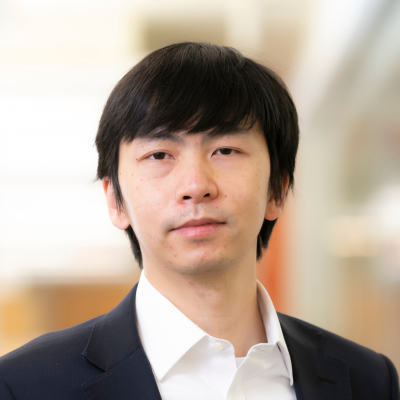
Haodi Wu, PhD
Division/Institute: Cardiology/Vascular Medicine Institute
Mentor: external
Career Development Award: NHLBI K99/R00
My main research interests are to understand the molecular mechanisms underlying the development, disease, and senescence of heart cells, and to develop potential therapeutic strategies to rectify pathogenesis and aging in the heart. We utilize human induced pluripotent stem cell (iPSCs) platform and cutting-edge molecular, cellular, and physiological technologies to study the biology of heart cells in health and diseases, and to discover novel drugs and approaches for translational applications.
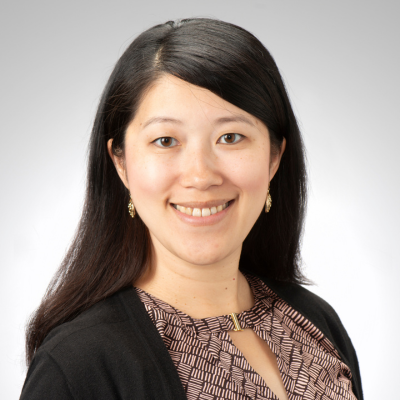
Julia Z Xu, MD, MScGH
Division/Institute: Hem/Onc / Vascular Medicine Institute
Mentors: Enrico Novelli, MD, MS / Adam Straub, PhD
Career Development Award: NCATS KL2
Dr. Xu’s research focuses on improving anemia and related complications in sickle cell disease (SCD). Anemia is a hallmark manifestation of SCD and also plays a key role in driving SCD-related multi-organ damage. Dr. Xu’s research aims to better understand different etiologies of anemia in SCD, as well as evaluate the hemorheological impact of raising hemoglobin level with different therapies for SCD using innovative biomarkers and non-invasive imaging tools. This research will inform the development of optimal treatment strategies for chronic anemia in SCD.
Publications
- Fanta A, Dosunmu-Ogunbi A, Ruesch A, Jonassaint J, Disu JDK, Xu JZ, Huppert T, Kainerstorfer JM, Novelli EM, Wood S. Assessment of cerebral autoregulation and cerebral perfusion in patients with sickle cell disease using frequency-domain near-infrared spectroscopy. J Appl Physiol (1985). 2025 Sep 1;139(3):638-649. doi: 10.1152/japplphysiol.00426.2023. Epub 2025 Jul 23. PMID: 40701632; PMCID: PMC12453026.
- Conrey AK, Asomaning N, Frey I, Charles RP, Lovins D, Xu JZ, Mendez-Marti S, Le K, Kruah B, Li Q, Glass K, Dunkelberger EB, Cellmer T, Yates A, Wind-Rotolo M, Huston C, Jeffries N, Eaton WA, Thein SL. Long-term mitapivat treatment is safe and efficacious in patients with sickle cell disease. Blood Res Clin Insights. 2025 Sep;1(2):100014. doi:10.1016/j.brci.2025.100014.
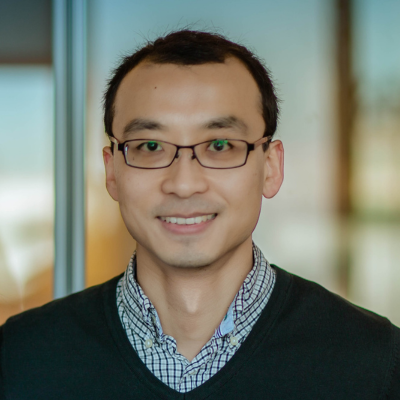
Hua Zhang, MD, PhD
Division/Institute: Hematology/Oncology
Career Development Award: NCI K22
My lab develops advanced immunocompetent mouse models for lung cancer immunotherapy to better understand treatment responses and resistance. We use these models to investigate the therapeutic efficacy and mechanisms of novel combinations of targeted therapy with immunotherapy, identify new vulnerabilities to overcome drug resistance, and characterize the organ-specific tumor immune contexture to inform the development of next-generation immunotherapeutic strategies.

Manling Zhang, MD, MS
Division/Institute: Cardiology/Vascular Medicine Institute
Mentors: Iain Scott, PhD / Toren Finkel, MD, PhD
Career Development Award: NHLBI K08
Dr. Zhang is currently studying the mechanism of GCN5L1, a mitochondrial acetyltransferase, in enhancing cardiac bioenergetics through retrograde activation of PGC-1α signaling in response to hemodynamic stress or exercise using cardiac specific GCN5L1 deficient mice. As a cardiologist subspecializing in advanced heart failure and transplantation, and as a basic scientist studying cardiomyocyte biology, Dr. Zhang’s long-term career goal is to become a physician scientist, focusing on reciprocal regulation of cardiac epigenetics and metabolism regulation in heart failure and exercise to discover a more effective treatment for heart failure.
Publications
Zhang M, Peng Z, Ping H, Li Z, Liu JJ, Liu S, Feng N. Transcription factor Yin-Yang 1 governs cardiac metabolic reprogramming in response to exercise or pathological stress. Am J Physiol Heart Circ Physiol. 2025 Oct 1;329(4):H899-H906. doi: 10.1152/ajpheart.00419.2025. Epub 2025 Aug 13. PMID: 40803696; PMCID: PMC12476895.
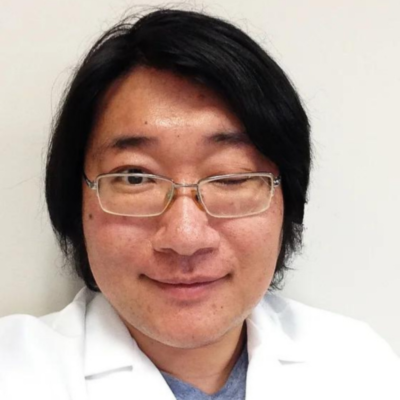
Xiangyu Zhang, PhD
Division/Institute: Cardiology
Mentors: Babak Razani, MD, PhD / Zoltan Arany, MD, PhD
Career Development Award: AHA CDA
Dr. Zhang’s research interest is to investigate the function of macrophages and other immune cells during the pathogenesis of cardiovascular disease (CVD) and other metabolic diseases. For decades, CVD has been the leading cause of death in the United States. Understanding the mechanisms underlying immune cell action in the plaque provides insights into disease pathogenesis and new areas of intervention. Dr. Zhang’s previous study has revealed a novel mechanism whereby leucine intake leads to a threshold effect on macrophage mTORC1 signaling activation to promote atherogenesis. This discovery provides a key mechanistic link between leucine and atherosclerotic cardiovascular disease risk. Dr. Zhang is currently working on dissecting the molecular mechanism of leucine metabolism in immune cells during pathogenesis and will leverage findings as novel therapeutic targets.

Margaret Zupa, MD, MS
Division/Institute: Endocrinology and Metabolism
Mentor: Ann-Marie Rosland MD MS
Career Development Award: NIDDK K23
Dr. Zupa’s research focuses on developing new approaches to leverage technology to improve access to and quality of comprehensive diabetes care for adults with type 2 diabetes. She is also interested in engaging family members and multidisciplinary providers to enhance diabetes self-management and care. By leveraging technology to enhance diabetes care in multiple ways—from engaging family supporters to facilitating diabetes self-management—Dr. Zupa’s work aims to develop novel approaches to improve both care and health outcomes for adults with diabetes.
Alumni
| Alumni | Mentor(s) | CDA | Subsequent Funding | Current Position |
|---|---|---|---|---|
| Mohammad Al-bataineh, DVM, PhD | Tom Kleyman, MD | NIDDK K01 | R03 DK131093; R01 DK135862 | Assistant Professor, University of Pittsburgh (Renal-Electrolyte Division) |
| Ian Barbash, MD, MS | Jeremy Kahn, MD, MS | AHRQ K08 | Associate Professor, University of Pittsburgh (Division of PACCSM) | |
| Mehret Birru-Talabi, MD, PhD | Sonya Borrero, MD, MS | NIAMS K23 | R01 HD118690; R33 HD113515; U54 HD113030 | Associate Professor, University of Pittsburgh (Division of Rheumatology and Clinical Immunology) |
| Cary Boyd-Shiwarski, MD, PhD | Arohan Subramanya, MD / Tom Kleyman, MD | NIDDK K08 | R03 DK138215 | Assistant Professor, University of Pittsburgh (Renal-Electrolyte Division) |
| Andrea Braganza Jardini, PhD | Sruti Shiva, PhD | NHLBI K99 | Associate Scientific Director, Lockwood | |
| Hailey Bulls, PhD | Yael Schenker, MD, MAS / Jessica Merlin, MD, PhD, MBA | Pitt CTSI KL2; NCI K08 | Assistant Professor & Director, Research Outcomes in Pain Medicine University of Alabama at Birmingham |
|
| Lan Coffman, MD, PhD | Ronald J. Buckanovich, MD, PhD | NCI K08 | U01 AG077923 | Associate Professor, University of Pittsburgh (Division of Malignant Hematology and Medical Oncology) |
| Paola Corti, PhD | Mark Gladwin, MD | AHA CDA | R01 HL098032; R01 HL168775 | Assistant Professor, University of Maryland |
| Matthew Culyba, MD, PhD | Neil Clancy, MD | NIAID K08 | R21 AI166581; R35 GM159885 | Assistant Professor, University of Pittsburgh (Division of Infectious Diseases) |
| Marianela G. Dalghi, PhD | Gerard Apodaca, PhD | Pittsburgh Center for Kidney Research P30 | Adjunct Faculty, University of Pittsburgh | |
| Matthew Dent, PhD | Mark T. Gladwin, MD / Jesus Tejero, PhD | NHLBI K99 | R00 HL168224 | Assistant Professor, Wayne State University |
| Yvonne Eisele, PhD | Prem Soman, MD, PhD | NIA K99/R00 | Health Sciences Sequencing Core, University of Pittsburgh | |
| Utibe R. Essien, MD, MPH | Michael Fine, MD, MSc | VA Mentored Research Scientist Development Award | RF1 NS143735 | Assistant Professor, UCLA |
| John Evankovich III, MD | Bill Chen, PhD | NHLBI K08 | R01 HL174649 | Assistant Professor, University of Pittsburgh (Division of PACCSM) |
| Ning Feng, MD, PhD | Iain Scott, PhD / Toren Finkel, MD, PhD | NHLBI K08 | R03 HL164393 | Assistant Professor, University of Pittsburgh (Division of Cardiology) |
| Aditi Gurkar, PhD | External | NIA K99/R00 | R01 ES035733; R01 HL161106; R21 AG086744; R56 AG082757 | Associate Professor, University of Pittsburgh (Aging Institute/Division of Geriatric Medicine) |
| Amber Johnson, MD, MBA, MS | Jared Magnani, MD, MSc | NHLBI R33 (supplement), NHLBI K23 | Assistant Professor, University of Chicago | |
| Charles Jonassaint, PhD | NHLBI K23 | UH3 HL165839; R34 MH125152 | Associate Professor, University of Pittsburgh (Division of General Internal Medicine) | |
| Georgios Kitsios, MD, PhD | Alison Morris, MD, MS / Bryan McVerry, MD | NHLBI K23 | R01 HL176668; R03 HL162655 | Assistant Professor, University of Pittsburgh (Division of PACCSM) |
| Corrine Kliment, MD, PhD | Steven Shapiro, MD | NHLBI K08 | R01 HL168050; R21 HL179368; R61 AG095927 | Associate Professor, University of Pittsburgh (Division of PACCSM) |
| Travis Lear, PhD | Toren Finkel, MD, PhD / Bill Chen, PhD | NIA K99 | R00 AG078342 | Assistant Professor, Rutgers University |
| Ruya Liu, MD, PhD | Toren Finkel, MD, PhD / Vijay Yechoor, MD | AHA CDA | R56 HL169267 | Assistant Professor, University of Maryland |
| Carissa Low, PhD | John Jakcic, PhD | NCI K07 | R01 DK136788; R37 CA242545 | Associate Professor, University of Pittsburgh (Division of Malignant Hematology and Medical Oncology) |
| Nicolas Montalbetti, PhD | Gerard Apodaca, PhD / Marcelo Carattino, PhD | Research Scholar Award / Urology Care Foundation | ||
| Niranjana Natarajan, PhD | Partha Dutta, DVM, PhD | NHLBI K99 | R00 HL157689 | Assistant Professor, University of Pittsburgh (Division of Rheumatology and Clinical Immunology) |
| Andrey Parkhitko, PhD | External | NIA R00 | R03 CA286521; R01 AG082801; R35 GM146869 | Assistant Professor, University of Pittsburgh (Division of Endocrinology and Metabolism/Aging Institute) |
| Trayambak Pathak, PhD | Mohamed Trebak, PhD / Patrick Pagano, PhD | NHLBI K99 | R00 HL163403 | Assistant Professor, Louisiana State University |
| Tirthadipa Pradhan-Sundd, PhD | Mark Gladwin, MD | NIDDK K01 | Assistant Professor, Medical College of Wisconsin | |
| Thomas Radomski, MD, MS | Walid Gellad, MD, MPH | NIA K23 | U24 AT013345 | Associate Professor, University of Pittsburgh (Division of General Internal Medicine) |
| Evan Ray, MD, PhD | Tom Kleyman, MD | NIDDK K08 | R01 DK139177 | Assistant Professor, University of Pittsburgh (Renal-Electrolyte Division) |
| Keven Robinson, MD, MD | John Alcorn, PhD | NHLBI K08 | R01 AI153337; R03 AI163730; R03 HL154242 | Associate Professor, University of Pittsburgh (Division of PACCSM) |
| Shari Rogal, MD, MPH | Kevin Kraemer, MD, MSc | NIDA K23 | U48 DP006792; VA Merit Award | Associate Professor, University of Pittsburgh (Division of Gastroenterology, Hepatology and Nutrition) |
| Jason Rose, MD, MBA | Mark Gladwin, MD | NHLBI K08 | U48 DP006792; R42 ES031993; DOD CDMRP Grant | Division Chief (Pulmonary) and Associate Professor, University of Maryland |
| Cody Rutledge, MD, PhD | Brett Kaufman, PhD / Ola Oladipupo, MD | VA CDA | Assistant Professor, Case Western Reserve University | |
| Jami Saloman, PhD | Dhiraj Yadav, MD, MPH / Brian Davis, PhD | NIDDK K01 | R01 CA285585; R01 DK136478 | Assistant Professor, University of Pittsburgh (Division of Gastroenterology, Hepatology and Nutrition) |
| Leslie Scheunemann, MD, MPH | Natalie Leland, PhD / Chip Reynolds, MD | AHRQ K08 | R01 HS029870 | Assistant Professor, University of Pittsburgh (Division of Geriatric Medicine) |
| Faraaz Shah, MD, MPH | Christopher O’Donnell, PhD / Bryan McVerry, MD | NIGMS K23 | R21 HL168070; R35 GM160146 | Assistant Professor, University of Pittsburgh (Division of PACCSM) |
| Mark Snyder, MD | Fadi Lakkis, MD / John McDyer, MD | NHLBI K23 | R01 HL167901 | Associate Professor, University of Pittsburgh (Division of PACCSM) |
| Wei Sun, MD | Stephen Chan, MD, PhD | AHA CDA; NHLBI K08 | Assistant Professor, University of California - San Diego | |
| Jay Tan, PhD | Toren Finkel, MD, PhD; Stacey J. Sukoff Rizzo, PhD | NIA K01 | R35 GM150506 | Assistant Professor, University of Pittsburgh (Department of Cell Biology/Aging Institute) |
| Dharendra Thapa, PhD | Iain Scott, PhD / Toren Finkel, MD, PhD | NHLBI K99 | R00 HL146905 | Assistant Professor, West Virginia University |
| Holly Thomas, MD, MS | Rebecca Thurston, PhD / Sonya Borrero, MD, MS | NIA K23 | Assistant Professor, University of Pittsburgh (Division of General Internal Medicine) | |
| Jeremy Tilstra, MD, PhD | Mark Shlomchik, MD, PhD | NIAMS K08 | Arthritis National Research Foundation Scholar | Assistant Professor, University of Pittsburgh (Division of Rheumatology and Clinical Immunology) |
| Giraldina Trevejo-Nunez, MD | Sarah Gaffen, PhD | NHLBI K01 | R21 AI153549 | Assistant Professor, University of Pittsburgh (Division of Infectious Diseases) |
| Ravy Vajravelu, MD | Walid Gellad, MD / Rocky Schoen, MD | NIDDK K08 | R01 DK135876 | Assistant Professor, University of Pittsburgh (Division of Gastroenterology, Hepatology and Nutrition) |
| J. Deanna Wilson, MD, MPH | Jane Liebschutz, MD, MPH / Kevin Kraemer, MD, MSc | NIDA K23 | R01 DA057633 | Assistant Professor, University of Pennsylvania |
| Julia Woodcock, PhD | Stephen Chan, MD, PhD | NHLBI R00 | R00 HL161320 | Assistant Professor, National Jewish Health |
| Joo Heung Yoon, MD | Gilles Clermont, MD, MSc / Michael Pinsky, MD | NIGMS K23 | R35 GM159939 | Assistant Professor, University of Pittsburgh (Division of PACCSM) |
| Anna Zemke, MD, PhD | Jennifer Bomberger, PhD | NHLBI K23 | R01 HL162964 | Assistant Professor, University of Pittsburgh (Division of PACCSM) |
Alumni Publications
Faraaz Shah, MD, MPH
- Hansell CE, Aneis HA, Kitsios GD, Bain WG, Zhao Y, Suber TL, Evankovich JW, Sharma L, Ramakrishnan SK, Prendergast NT, Hensley MK, Malik S, Petro N, Patel JJ, Nouraie SM, Dela Cruz CS, Zhang Y, McVerry BJ, Shah FA. Glucagon-Like Peptide-1 Is Prognostic of Mortality in Acute Respiratory Failure. Crit Care Explor. 2025 Mar 24;7(4):e1247. doi: 10.1097/CCE.0000000000001247. PMID: 40126931; PMCID: PMC11936568.
-
Kitsios GD, Haque M, Bain WG, Dela Cruz C, McVerry BJ, Shah FA; Acute Lung Injury Registry Investigators. Clinician Prediction of Hyperinflammatory Acute Respiratory Distress Syndrome Subphenotypes: Overestimated but Prognostic. Am J Respir Crit Care Med. 2025 Jul;211(7):1294-1297. doi: 10.1164/rccm.202409-1816RL. PMID: 40173283; PMCID: PMC12264653.
Cary Boyd-Shiwarski, MD, PhD
- Boyd-Shiwarski CR, Beacham RT, Lashway JA, Querry KE, Griffiths SE, Shiwarski DJ, Knoell SA, Nguyen NH, Nkashama LJ, Valladares MN, Bandaru A, Marciszyn AL, Franks J, Sullivan M, Watkins SC, Rodan AR, Huang CL, Stocker SD, Kashlan OB, Subramanya AR. Kidney-specific WNK1 amplifies kidney tubule responsiveness to potassium via WNK body condensates. J Clin Invest. 2025 Jun 10;135(15):e188792. doi: 10.1172/JCI188792. PMID: 40493421; PMCID: PMC12321387.
Call for Catalytic Grant Applications
Award Information
The Department supports up to $500k per year in funding for the Catalytic Grants this year. Dr. Gurkar will oversee peer-review of applications, and awards will range from $10-50k per year, depending on budget justification of the applicants (note: funding cannot support the salary of the Principal Investigator).
Due Date
Applications are due by 11:59pm on September 12, 2025. The completed application should be sent as a single PDF to Ms. Natalie Schweninger (schweningern@upmc.edu).
Eligibility
Only participants in good standing of the KARAT program, who have completed their first year of mentored training, are eligible to apply for this mechanism of Catalytic Grant funding.
Review Process
Grants will be reviewed by the KARAT Leadership Council under direction of Dr. Aditi Gurkar. Those applicants awarded KARAT Catalytic Grant support are expected to present on a Department-wide symposium after completion of their studies.
Contact
Please direct any inquiries to Ms. Natalie Schweninger at schweningern@upmc.edu.
The 2025 Catalytic Grant Application is now CLOSED.