Rheumatology and Clinical Immunology Fellowship Program

Clinical Training

The UPMC Rheumatology Fellowship Program offers a robust and diverse clinical experience designed to prepare fellows for excellence in patient care across the full spectrum of rheumatic disease. Fellows rotate through a range of clinical settings – academic medical centers, community hospitals, and the VA Pittsburgh Healthcare System – managing both common and complex autoimmune and autoinflammatory disorders.

Outpatient Experience

Each fellow maintains two continuity clinics, one at a UPMC facility and one at the VA Pittsburgh Healthcare System. In these clinics, fellows perform comprehensive initial and follow-up evaluations, correspond with referring physicians, and function as the patient’s primary rheumatologist under faculty supervision.

Because patients remain under the fellow’s care throughout training, fellows gain valuable experience managing disease from onset through maintenance and remission. Each half-day clinic typically includes one to two new patients and four to six follow-up visits, providing a rich mix of longitudinal care and diagnostic diversity.

Inpatient Experience

During the two-year fellowship, trainees spend four months on “A” service and four months on “B” service. The “A” service covers inpatient consults at UPMC Presbyterian and Montefiore Hospitals. The “B” service includes consults at Magee–Women’s Hospital and the VA Medical Center in Oakland.

While on service, fellows act as junior attendings, coordinating patient management, leading rounds, and teaching residents and students. They communicate closely with referring physicians and families and collaborate with multidisciplinary teams to ensure high-quality, patient-centered care.

Elective Rotations

In addition to continuity clinics, fellows participate in two to three specialized outpatient rheumatology sessions per week, rotating through disease-focused electives that align with faculty expertise and ongoing research.

First-Year Electives:

  • Polymyositis/Dermatomyositis
  • Systemic Lupus Erythematosus
  • Systemic Sclerosis
  • Pain Management

Second-Year Electives:

  • Vasculitis
  • Dermatology
  • Pediatric Rheumatology
  • Multidisciplinary Rheumatology/Pulmonary Clinic
  • Multidisciplinary Rheumatology/Ophthalmology Clinic
  • Telerheumatology (mandatory for fellows in the clinician and clinician-educator tracks)
  • Musculoskeletal ultrasonography (mandatory for fellows in the clinician and clinician-educator tracks)

Telerheumatology

The demand for rheumatology care continues to outpace workforce availability, with an estimated shortfall of 2,500 subspecialists by 2025. Rural and underserved areas are particularly affected, creating a growing need for innovative care delivery models. To address this gap and prepare fellows for the evolving landscape of healthcare, UPMC offers a Telemedicine Elective for second-year rheumatology fellows.

The UPMC Rheumatology Telemedicine Program provides virtual care across Pennsylvania, including UPMC Northwest, UPMC Bedford, and UPMC Cole Memorial Hospital, as well as through telemedicine-enabled University campus clinics. Under the guidance of Dr. Christine Peoples, an experienced tele-rheumatology provider recognized nationally for excellence, fellows also participate in E-consults at the Pittsburgh VA Medical Center during their VA rotations.

Through this elective, fellows gain practical experience in delivering rheumatology care remotely, learning to navigate telehealth technology while maintaining high-quality patient care. Key objectives include:

  • Understanding the UPMC rheumatology telemedicine care model and its role in improving access to specialty care
  • Participating in live telemedicine patient encounters at UPMC Northwest
  • Gaining proficiency with the technology and workflow required for effective tele-rheumatology visits
  • Recognizing the impact of telemedicine in serving rural and underserved populations
  • Applying telemedicine principles to future clinical practice


Immunopathology

Fellows participate in an ongoing immunology workshop series, featuring monthly faculty-led, discussion-based sessions that explore the cellular and molecular basis of autoimmune disease. Fellows also receive hands-on laboratory training in the Clinical Pathology Laboratory, offered four times across two years. These sessions teach key diagnostic techniques, such as immunofluorescence and immunoprecipitation, and train fellows to recognize ANA patterns and correlate findings with clinical disease.

Training Sites

The hospitals and clinics of UPMC and the VA Pittsburgh Health System (VAPHS) provide exceptional venues for comprehensive clinical training. UPMC Presbyterian, the flagship tertiary referral center for western Pennsylvania, West Virginia, eastern Ohio, and the broader UPMC network, offers extensive exposure to complex and diverse patient populations. The recently modernized VAPHS complements this experience by providing rich inpatient and outpatient training opportunities with a strong focus on continuity of care and veteran health. Together, UPMC and the VA form a dynamic and collaborative training environment that equips future physicians with the clinical expertise, compassion, and versatility needed to excel across a wide spectrum of patient populations and practice settings.

UPMC Presbyterian/Montefiore

UPMC Presbyterian is the flagship hospital of the UPMC health system and a major academic and research hub located in Pittsburgh’s Oakland neighborhood. Founded in 1893, it is nationally recognized for excellence in organ transplantation, cardiology, cardiothoracic surgery, critical care, trauma services, and neurosurgery. As a Level I Regional Resource Trauma Center and leading referral hospital, Presby provides state-of-the-art care to patients from across the region and around the world.

VA Pittsburgh Healthcare System (VAPHS)

The VA Pittsburgh Healthcare System (VAPHS) is one of the nation’s most advanced and comprehensive VA health systems, providing exceptional care to Veterans across seven sites, including the University Drive campus. As a major academic affiliate of the University of Pittsburgh, VAPHS offers fellows unparalleled opportunities to train alongside expert clinicians and researchers in cutting-edge areas such as transplant surgery, geriatrics, mental health, and rehabilitation. With nationally recognized research centers and a strong emphasis on innovation, education, and service, VAPHS prepares the next generation of physician leaders dedicated to advancing Veteran and public health.

UPMC Magee-Womens Hospital

UPMC Magee-Womens Hospital is a nationally recognized leader in women’s health, offering comprehensive care across obstetrics, gynecology, oncology, and a wide range of specialty services for both women and men. As a teaching hospital affiliated with the University of Pittsburgh School of Medicine, Magee combines exceptional clinical training with a commitment to research and innovation through the Magee-Womens Research Institute – the nation’s first center devoted exclusively to women’s and infants’ health. With a century-long legacy of excellence, Magee provides fellows with a dynamic environment to advance patient care, education, and discovery in gender-specific medicine.

Children’s Hospital of UPMC

UPMC Children’s Hospital of Pittsburgh (CHP) is a nationally recognized leader in pediatric care and the region’s only hospital exclusively dedicated to infants, children, teens, and young adults. Affiliated with the University of Pittsburgh School of Medicine, CHP offers state-of-the-art facilities, including a Level I Pediatric Trauma Center, and a full spectrum of subspecialty services. Its innovative John G. Rangos Sr. Research Center fosters groundbreaking discoveries in pediatric health, from genomics and immunology to transplantation and neuroscience, creating a rich environment for fellows to learn, collaborate, and advance child health.

Falk Clinic

The Falk Medical Building, located on Fifth Avenue in Pittsburgh’s Oakland neighborhood, is part of the UPMC Presbyterian campus and offers a wide range of specialty and outpatient services. Patients can access care in areas including dermatology, endocrine surgery, heart and vascular services, imaging, infectious diseases, infusion therapy, nutrition, pharmacy, pulmonology, rheumatology, and sickle cell care. The facility provides comprehensive, coordinated care in a central, convenient location for patients throughout the Pittsburgh region.

Telemedicine

UPMC Bedford

UPMC Bedford, located in Bedford, Pennsylvania, is a community-focused hospital providing a wide range of inpatient and outpatient services to the surrounding region. The hospital offers emergency care, surgical services, specialty clinics, imaging, and outpatient programs, emphasizing personalized, patient-centered care. As part of the UPMC health system, UPMC Bedford combines community accessibility with the expertise and resources of a leading academic medical center.

UPMC Cole Memorial Hospital

UPMC Cole Memorial Hospital, located in Coudersport, Pennsylvania, is a community hospital delivering comprehensive inpatient and outpatient care to patients across the region. Services include emergency care, surgical services, specialty clinics, imaging, and outpatient programs, all focused on patient-centered, high-quality care. As part of the UPMC health system, Cole Memorial combines local accessibility with the expertise and resources of a leading academic medical network.

UPMC Northwest

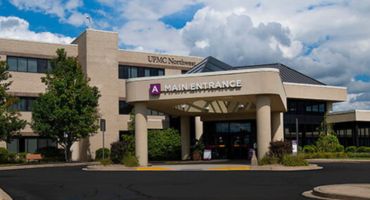
UPMC Northwest, located in Seneca, Pennsylvania, is a full-service regional hospital providing high-quality care to patients across northwest Pennsylvania. The hospital offers a comprehensive range of services, including emergency care, surgical services, specialty clinics, imaging, and outpatient programs, with an emphasis on patient-centered care. As part of the UPMC health system, UPMC Northwest combines advanced clinical resources with community-focused healthcare.

UPMC Somerset

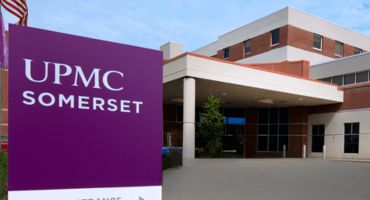
Established in 1921 as a 20-bed rural hospital, UPMC Somerset is now a 111-bed, state-licensed community hospital offering comprehensive medical, surgical, critical care, skilled nursing, and adult neuropsychiatric services. As a clinical training site, it provides fellows with meaningful experience in community-based medicine, continuity of care, and collaboration within multidisciplinary teams.

UPMC GME Hospital Tour