
Wilson Scholars in Addiction Medicine Research Award
Each Wilson Scholar is paired with a faculty mentor whose research aligns with their interests and will collaborate on an addiction medicine–related research project between June and August. The program includes 4 weeks in-person in Pittsburgh, featuring immersive clinical shadowing experiences across UPMC and community settings, followed by remote participation to complete research and didactic sessions. Weekly discussions and seminars led by Pitt faculty cover a range of topics in addiction medicine, clinical care, and research methodology.
Each scholar receives a $6,500 stipend, which also covers travel and lodging. Scholars commit approximately 30 hours per week during the program.
Program Components
Research
Students work closely with their mentors to design and execute a research project in addiction medicine, gaining experience in study design, data collection, and analysis. They are encouraged to develop scholarly products, such as abstracts, conference presentations, or manuscripts, and may continue their collaboration beyond the summer.
Clinical Experience
Participants shadow addiction medicine specialists in diverse care settings, including:
- Integrated primary care and addiction treatment programs
- Methadone clinics
- Inpatient addiction medicine consult services
- Perinatal addiction programs
Curriculum
Students are expected to attend and participate in all weekly didactic sessions. These include:
Faculty Speaker Series: weekly 1-hour session with Pitt addiction medicine faculty with diverse training and academic roles. The purpose of these sessions is to increase understanding of and exposure to various careers in academic addiction medicine.
Didactic Series and Discussions Sessions: didactic series covers various topics in addiction medicine and basic research to help advance student knowledge in addiction as well as scholarly productivity. This is self-paced and will include weekly readings, videos, and/or podcasts. Weekly 1-hour discussion sessions with the program director will be held to discuss the didactic material.
Addiction medicine topics include substance use disorder evaluation and diagnosis, overview of pharmacologic treatments, drug policy, harm reduction, social and structural determinants of health in addiction, trauma-informed care, and treatment of special populations. Research/scholarly topics may include introduction to basic research methodology, conducting a literature review, submitting abstracts, developing an elevator pitch, navigating mentorship, and understanding the publishing and peer review process.
Application Information
Key Dates
Applications Open
November 3, 2025
Applications Due
January 4, 2026,
11:59 PM ET
Notification of Awards
February 2, 2026
Program Start and End
June 2026 –
August 2026
Eligibility
- Current first-year medical students who are U.S. residents.
- Ability to commit at least 30 hours/week for 8 weeks (June–August).
- University of Pittsburgh employees are not eligible.
Application Requirements
Applicants must submit:
- Background information
- CV or résumé
- Personal statement (≤350 words): Describe your interest in addiction medicine, goals for the program, and relevant experience.
- Statement of service (≤250 words): Describe your commitment to serving vulnerable populations.
Application link:
Apply via REDCap
Questions should be directed to Jen Silver (jensilver@pitt.edu).
Program Faculty and Mentors
Program Director
Program Administrator
Jen Silver, MSW
jensilver@pitt.edu
Faculty Mentors
Julie Childers, MD, MS
Research area: Substance use disorder curriculum development and communication in palliative care.
Ilana Hull, MD, MSc
Research area: Substance use disorders in the peripartum population.
Raagini Jawa, MD, MPH
Research area: Harm reduction implementation, xylazine/adulterants, and infectious complications of drug use.
Paul Joudrey, MD, MPH
Research area: Addiction treatment access and outcomes, policy evaluation, and methadone treatment expansion.
Jane Liebschutz, MD, MPH
Research area: Intervention development for opioid use disorder.
Payel Jhoom Roy, MD, MSc
Research area: Buprenorphine prescribing policy, oral health and MOUD, and alternative treatment approaches.
Maggie Shang, MD, MS
Research area: Curricular development in substance use education and adolescent addiction medicine.
Bryant Shuey, MD, MPH
Research area: Health policy and substance use, treatment access, and cardiovascular disease prevention in OUD.
Previous Scholars
2024 Awardees
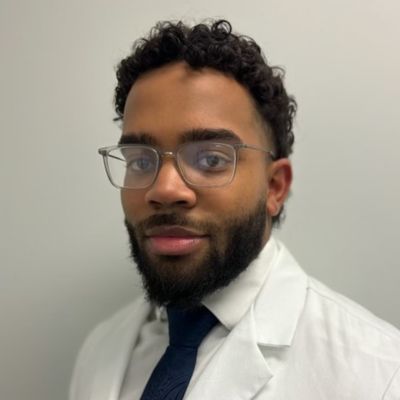
Chrishuan Alexander
Medical School: Morehouse School of Medicine
Mentor: Raagini Jawa, MD, MPH

Meghan Alexander
Medical School: Morehouse School of Medicine
Mentor: Payel Roy, MD, MSc
2025 Awardees

Nia Moore
Medical School: Meharry Medical College
Mentor: Payel Roy, MD, MSc
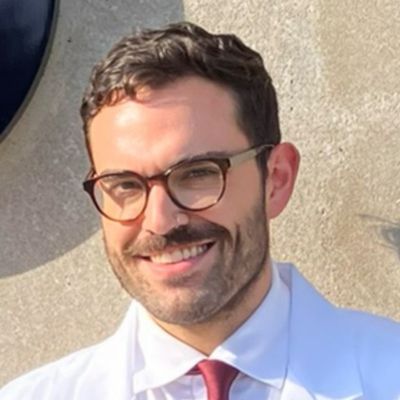
Jesse Ortiz
Medical School: SUNY Downstate Medical School
Mentor: Paul Joudrey, MD, MPH