
HIV Clinical Research
Clinical Trial Capacity
The University of Pittsburgh Clinical Research Site has more than two decades of experience conducting HIV/AIDS clinical research supported by the NIH/DAIDS, industry, and other sponsors. The site is a DAIDS-funded CRS for both the AIDS Clinical Trials Group (ACTG) and the Microbicide Trials Network (MTN). Its multidisciplinary research team brings expertise in clinical care, data management, fiscal oversight, and regulatory compliance. The CRS collaborates extensively with investigators across the University of Pittsburgh, leverages resources from the Clinical and Translational Science Institute (CTSI), and benefits from an active, engaged Community Advisory Board.
Active areas of investigation in HIV therapeutics include measuring and characterizing viral reservoirs, developing strategies to target latently infected cells, advancing therapeutic vaccination, and testing interventions to reduce chronic immune activation in people living with HIV. Prevention research emphasizes topical microbicides and pre-exposure prophylaxis (PrEP), with a particular focus on early-phase trials of novel agents. The site is equipped to collect a range of specimens—including blood, rectal and cervical tissues, and cerebrospinal fluid—within IRB-approved protocols from both HIV-infected and uninfected individuals. Participant recruitment is supported by experienced research staff who oversee two ongoing, IRB-approved, HIPAA-compliant volunteer registries for men and women interested in clinical studies.
The CRS has built extensive institutional collaborations and infrastructure to conduct highly complex studies with rigorous monitoring requirements. Core capabilities include:
- Specimen procurement and storage: CSF, genital tract secretions, gut and lymph node biopsies, leukapheresis for assessment of HIV reservoirs, inflammation, and fibrosis
- Advanced measures of end-organ disease: flow-mediated dilation (FMD), carotid intima-medial thickness (C-IMT), and DEXA scans
- Intensive pharmacokinetic sampling for drug–drug interaction studies
- Specialized collection from pregnant women and infants (blood, cervicovaginal secretions, cord blood, breast milk) to evaluate exposure and potential toxicity of microbicides
For more information, please contact:
Sharon Riddler, MD
Director, Clinical Research
Division of Infectious Diseases
riddler@dom.pitt.edu
Renee Weinman
weinmandr@upmc.edu
Therapeutic Research (HIV+ participants)
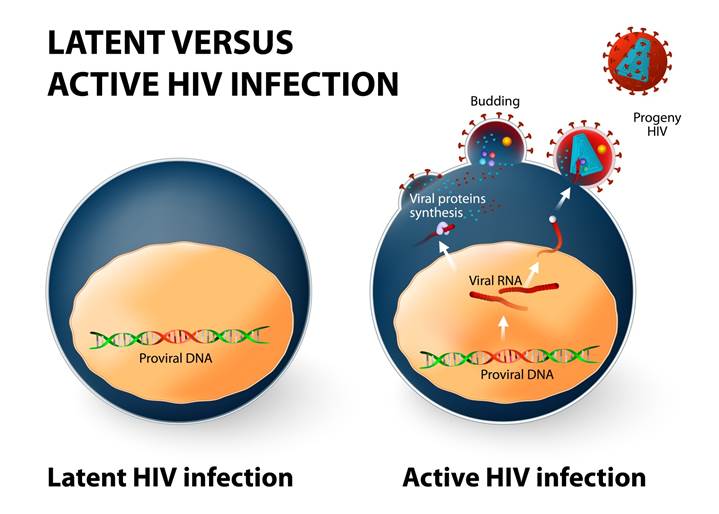
The Pitt CRS conducts a wide range of therapeutic studies in people living with HIV. Current areas of focus include characterizing and measuring HIV reservoirs, developing strategies to target latently infected cells, advancing therapeutic vaccination, and evaluating interventions to reduce chronic immune activation. The site has the clinical and laboratory infrastructure to support early-phase trials of novel agents and immune-based therapies. Capabilities include enrolling participants into interventional trials involving early-phase compounds and performing intensive reservoir evaluations through large-volume phlebotomy, leukapheresis, rectal mucosa biopsies, CSF sampling, and genital secretion collection. Additional resources include a certified Good Manufacturing Practice (GMP) facility with expertise in isolating autologous HIV and producing autologous dendritic cell vaccines.
Prevention (HIV– participants)
The University of Pittsburgh CRS is also a leader in HIV prevention research. The team has extensive experience with early-phase studies of oral and injectable pre-exposure prophylaxis (PrEP) as well as rectal and vaginal microbicides. As a major site for the Microbicides Trials Network (MTN), the CRS has partnered in numerous studies involving healthy women, pregnant women, and adolescents. Collaborations with the Department of Obstetrics, Gynecology & Reproductive Sciences ensure these trials are conducted with the highest level of expertise.
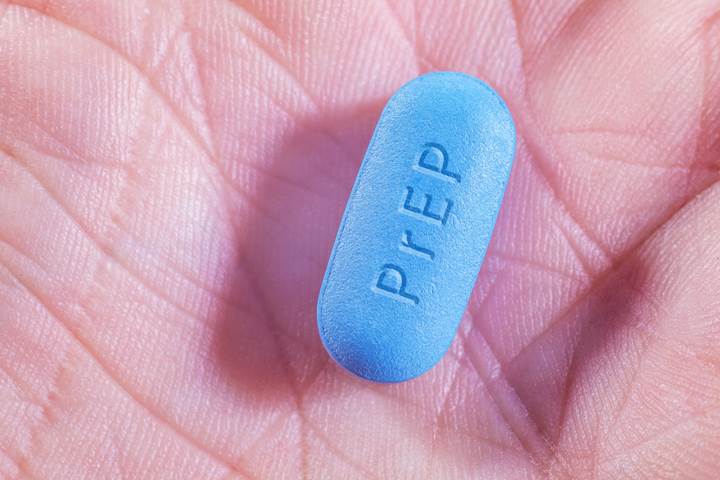 Beyond MTN studies, the CRS works with national and local investigators on innovative approaches to prevention, including studies of investigational rectal microbicides and new PrEP strategies. In collaboration with the MTN Network Lab, the site has developed unique expertise in collecting and analyzing rectal biopsies to understand how prevention methods work in the body. Current projects also include pilot studies exploring “vacation PrEP,” or short-term PrEP use during periods of higher risk.
HIV Clinical Trials
| MTN 035 Rectal Microbicide Acceptability, Tolerability and Adherence A study to find out if men (cis or transgender) and transgender women would accept, tolerate and potentially use three different ways to potentially deliver anti-HIV drugs into the rectum when used before receptive anal sex and to evaluate if each study product is safe when applied rectally and used before anal sex. |
| DC 04 Comparison of Dendritic Cell-Based Therapeutic Vaccine Strategies for HIV Functional Cure (DC-HIV04) A study looking to see if a vaccine that is made from a person’s own white blood cells is safe and if it will result in an increase in the body’s immune system reaction to HIV. The study will be done in people living with HIV who are doing well on HIV medications. |
| A5357 A Study of Long-Acting Cabotegravir Plus VRC-HIVMAB075-00-AB (VRC07-523LS) to Maintain Viral Suppression in Adults Living with HIV-1 A study for people who are infected with HIV-1 and have an undetectable viral load. We will evaluate the safety and effectiveness of a combination of two medications. The first drug is called cabotegravir (CAB). This will be given orally at first and then as an injection. The 2nd drug is called VRC-HIVMAB080-00-AB (VRC01LS). This is a monoclonal antibody. A monoclonal antibody targets human proteins rather than attacking the virus directly. This drug will be given intravenous (directly into a vein) for about 15 to 30 minutes. We are studying these medications to see if they work well when taken together to keep your virus levels low. This study will also evaluate the safety of the drug combination. |
| A5359 Long-Acting Antiretroviral Therapy in Non-Adherent Persons Living with HIV A study for people living with HIV who have poor viremic response or are lost to clinical follow up with ART non-adherence for at least 6 month. This study uses cash incentives to motivate participants to be adherent with oral meds. Participants will be randomized to receive long active injectable ART after they are adherent on oral meds. |
| A5369 HIV-1-Gag Conserved-Element DNA Vaccine (p24CE) A study that will evaluate the safety and effectiveness of a new vaccine in HIV-1 infected persons. This vaccine is not meant to prevent HIV infection but rather to improve how your immune system responds to HIV infection. This study is to evaluate the safety and effectiveness of this vaccine. It is called a therapeutic or treatment vaccine. |
| A5377 A Phase I, First-in-Human, Ascending Dose Study of SAR441236, a Tri-specific Broadly Neutralizing Antibody, in Participants with HIV. A5377 is the first study in humans of SAR441236. The study will enroll two groups of people with HIV: Arm A) People who are currently on an anti-HIV regimen with an undetectable HIV viral load will receive either SAR441236 or placebo in one of four increasing dosing groups. Arm B) People with HIV who have never received anti-HIV medications will receive SAR441236 in one of four increasing dosing groups. The study will safety and tolerability and collect information about the amount of the antibody in the blood over time. |